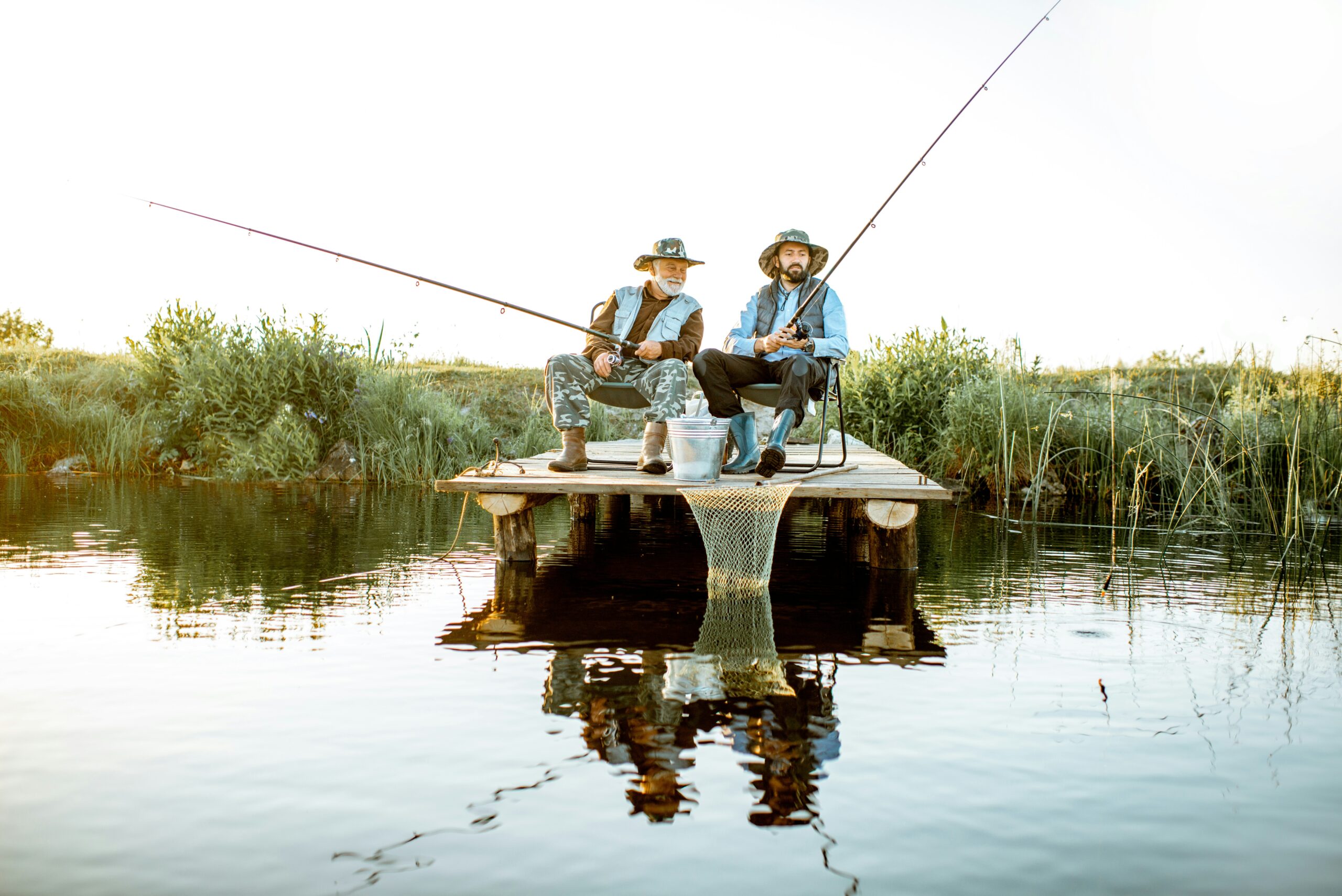
Fishing in lakes, rivers, and streams offers both challenge and reward, especially when anglers understand how to adapt to changing conditions and fish behavior. Freshwater Fishing Techniques helps beginners and experienced anglers improve their results while enjoying time on the water. While patience matters, skill development plays a bigger role in consistent success.
As techniques evolve, anglers must stay flexible and refine their approach based on location, season, and target species. Therefore, learning effective methods for casting, bait selection, and water reading creates a strong foundation for better performance and long-term fishing confidence.
Understanding Fish Behavior in Natural Waters
Fish behavior often changes based on water temperature, light levels, and food availability. Therefore, anglers who observe patterns can predict where fish will move throughout the day. For example, fish tend to stay deeper during hot afternoons but move closer to the surface during early morning or evening hours.
In addition, understanding feeding habits helps anglers choose the right time and place to fish. Some species actively hunt in open water, while others stay near structures like rocks or vegetation. As a result, recognizing these habits allows anglers to position themselves effectively and increase their chances of success.
Mastering Casting Accuracy and Distance
Casting plays a central role in successful fishing, especially in freshwater environments where precision matters. Therefore, anglers must practice both short and long casts to reach different areas of the water. Smooth and controlled motion helps prevent line tangles and improves accuracy.
In addition, targeting specific spots such as near logs or weed edges increases the chance of attracting fish. Skilled anglers often focus on placing bait exactly where fish are likely to hide. As a result, a consistent casting technique leads to better presentation and more bites.
Selecting Bait and Lures for Target Species
Bait selection can make a major difference in fishing success, especially when targeting specific species. Therefore, anglers should choose bait based on what fish naturally eat in that environment. Live bait such as worms or minnows often works well in many freshwater settings.
However, artificial lures also offer flexibility and variety. Different colors, shapes, and movements can trigger strikes from fish that might ignore natural bait. As anglers experiment with options, they learn which combinations perform best under different conditions.
Choosing the Right Equipment for Better Control
Fishing equipment directly affects casting accuracy and overall performance. Therefore, selecting the right rod, reel, and line ensures better control during every cast. Lightweight gear works well for smaller species, while stronger setups handle larger and more aggressive fish.
At the same time, matching equipment to the fishing environment improves efficiency. For example, spinning reels often perform better in freshwater fishing settings because they allow smoother casting and easier handling. As anglers gain experience, they learn how small adjustments in gear can create noticeable improvements.
Reading Water Conditions for Better Results
Water conditions influence fish movement and feeding behavior throughout the day. Therefore, anglers must pay attention to factors such as current, clarity, and temperature. Clear water often requires more subtle presentations, while murky water allows for bolder approaches.
Moreover, areas with changing depth or structure often attract fish because they provide shelter and food sources. By observing ripples, shadows, and underwater features, anglers can identify promising locations. As a result, reading water effectively improves overall fishing strategy.
Adapting Techniques Across Different Seasons
Seasonal changes affect fish activity levels and feeding patterns in freshwater environments. Therefore, anglers must adjust their approach throughout the year. During spring, fish often move to shallow waters for spawning, making them easier to locate.
In contrast, summer heat pushes fish toward deeper and cooler areas. Fall brings increased feeding activity as fish prepare for winter, while winter requires slower and more precise techniques. As anglers adapt to each season, they develop stronger and more reliable skills.
Practicing Patience and Timing on the Water
Fishing requires patience, yet timing plays an equally important role in success. Therefore, anglers should focus on fishing during peak activity periods such as early morning or late evening. These times often produce better results due to increased fish movement.
At the same time, staying patient allows anglers to observe patterns and adjust techniques gradually. Rushing through different spots often reduces effectiveness. Instead, consistent effort and careful observation lead to improved outcomes over time.
Improving Consistency Through Practice and Learning
Consistent practice helps anglers refine their techniques and build confidence on the water. Therefore, spending regular time fishing allows individuals to test innovative strategies and learn from experience. Even small improvements can lead to better results over time. Additionally, learning from others can accelerate progress. Experienced anglers often share valuable insights that help beginners avoid common mistakes.
As knowledge grows, anglers become more adaptable and capable of handling different fishing challenges. Freshwater Fishing Techniques continue to evolve as anglers gain more experience and understanding of the environment. By focusing on skill development, observation, and adaptability, anyone can improve their performance and enjoy more successful fishing trips.