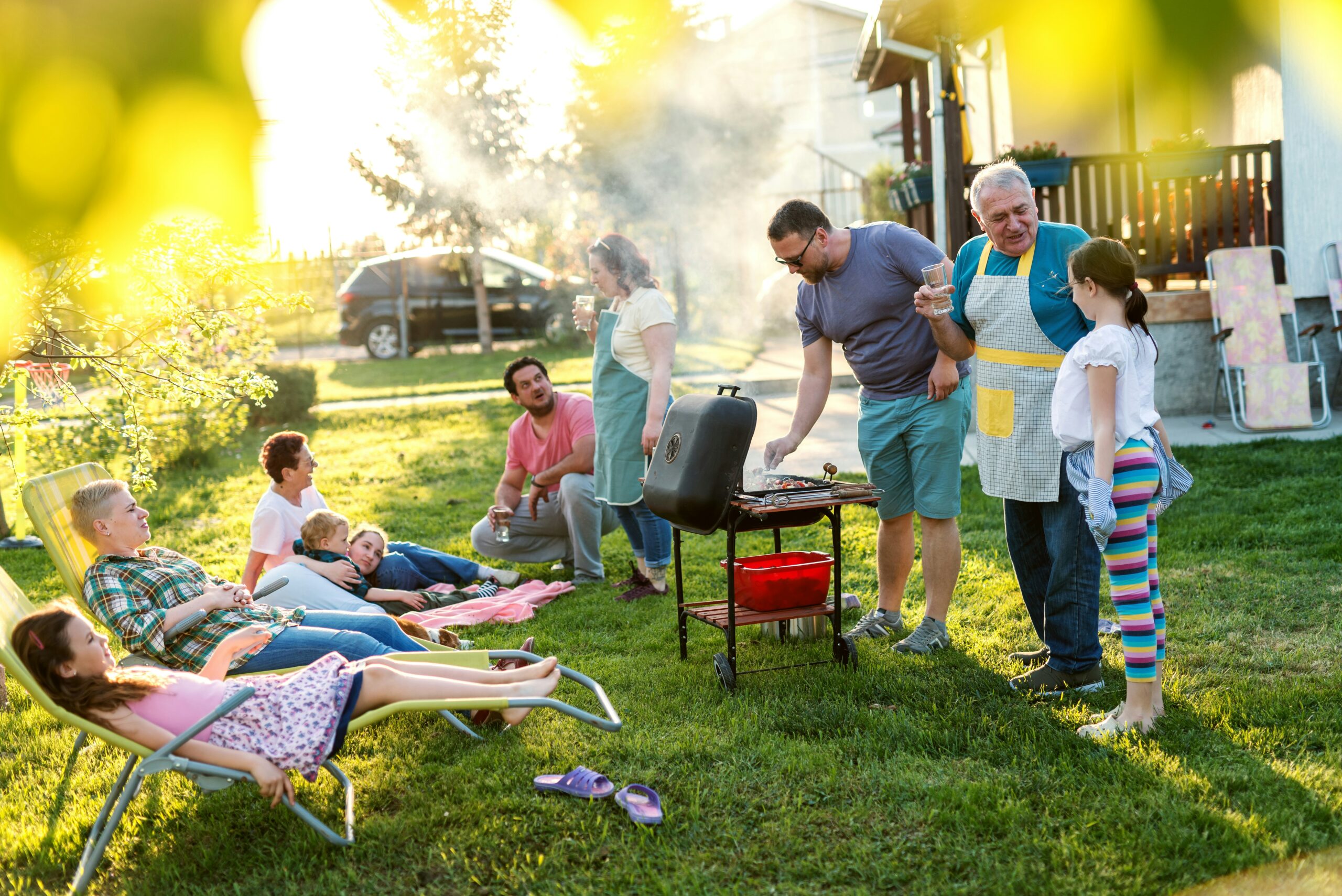
Family Weekends provide families with an opportunity to slow down and reconnect. During the week, everyone follows schedules. School, work, and chores take over. By Friday night, most families are tired. Yet the weekend holds promise. It offers time to laugh, talk, and create new memories together.
You do not need expensive trips or packed calendars to make a weekend special. Simple and thoughtful activities often bring the most joy. When you mix indoor comfort with outdoor adventure, you create balance. Children feel engaged. Adults feel refreshed. The key is intention. When you plan with care and stay flexible, your home and neighborhood become the perfect setting for meaningful family time.
Turn Your Home Into a Creative Space
Your home can become a place of discovery with a little imagination. Rearrange the living room to create an open area for games or storytelling. Set up a small art station on the kitchen table with paper, markers, and paint. Invite everyone to create something that reflects their mood. Keep the focus on expression, not perfection.
Creative time builds confidence in children. It also gives adults a chance to relax and join in. When you sit beside your child and draw or build, you send a clear message that their ideas matter. Display finished artwork on a wall or refrigerator. That small act shows pride and respect. Over time, these creative sessions become a cherished part of your weekend routine.
Host a Family Cooking Experience
Cooking together turns an everyday task into an event. Choose a simple recipe and involve everyone in the process. Let younger children wash vegetables or mix ingredients. Older kids can measure and read instructions. Play background music to make the kitchen feel lively.
Sharing a meal you prepared together strengthens the connection. You talk more when you cook side by side. You laugh at small mistakes and celebrate the final result. Cooking also teaches useful skills. Children learn patience, teamwork, and responsibility. The kitchen becomes more than a place to eat. It becomes a space for bonding and growth.
Create an Indoor Adventure Day
Rainy weather or cold temperatures do not have to limit your plans. Transform your home into an adventure zone. Build a blanket fort in the living room. Use pillows and chairs to create tunnels or obstacle paths. Turn off the lights and use flashlights for a mini indoor campout.
Indoor adventures spark imagination. When children role-play as explorers or heroes, they develop storytelling skills. Parents can join the fun and help shape the story. These playful moments often lead to deep laughter. They remind everyone that joy does not depend on perfect conditions. It grows from shared creativity and presence.
Explore Nature Close to Home
Stepping outside changes your perspective. Visit a local park, walk through your neighborhood, or explore a nearby trail. Encourage children to observe details. Look at the shape of leaves. Listen to birds. Notice how the air feels. Nature invites curiosity.
Outdoor time also supports physical health. Movement boosts energy and improves mood. When families walk or play together, they build strength and endurance. You do not need a long trip to feel the benefits. Even a short walk can clear your mind. It creates space for conversation and quiet reflection.
Plan a Backyard Game Session
If you have access to a yard or open space, use it to your advantage. Bring out a ball, a jump rope, or simple sports equipment. Create friendly challenges that match your children’s ages and abilities. Keep the tone light and encouraging.
Active play teaches teamwork and resilience. Children learn to try again after a missed shot. They learn to celebrate others’ success. When parents participate, kids feel supported. Physical play also reduces stress. It helps everyone release tension from the week and enjoy the moment.
Design a Family Story Night
Storytelling brings families closer. Choose a favorite book and read it aloud together. Take turns with different voices for characters. Pause to ask questions about what might happen next. This keeps children engaged and thinking.
You can also create original stories as a group. One person starts with a sentence. Each family member adds to the tale. The story may become silly or adventurous. That unpredictability adds excitement. Story nights encourage listening and creativity. They create shared memories that last far beyond the weekend.
Visit Local Community Spots
Your community likely offers hidden treasures. Visit a library, local market, or small museum. Many public spaces offer free or low-cost activities. Libraries often host reading hours or craft sessions. Markets offer vibrant sights and sounds that capture children’s attention.
Exploring local spaces teaches children about their surroundings. It helps them feel connected to their community. These outings do not require heavy planning. They require curiosity. When you approach your town like a visitor, you often discover new places to enjoy together.
Create a Weekend Reflection Ritual
As Sunday evening approaches, slow the pace. Gather in a comfortable spot and talk about your favorite moments from the weekend. Ask each family member to share something they enjoyed. Encourage them to express gratitude for a small detail.
Reflection builds emotional awareness. It helps children recognize positive experiences. It also provides parents with insight into what matters most to their children. When you end the weekend with calm conversation, you set a peaceful tone for the week ahead. This simple ritual strengthens trust and connection.