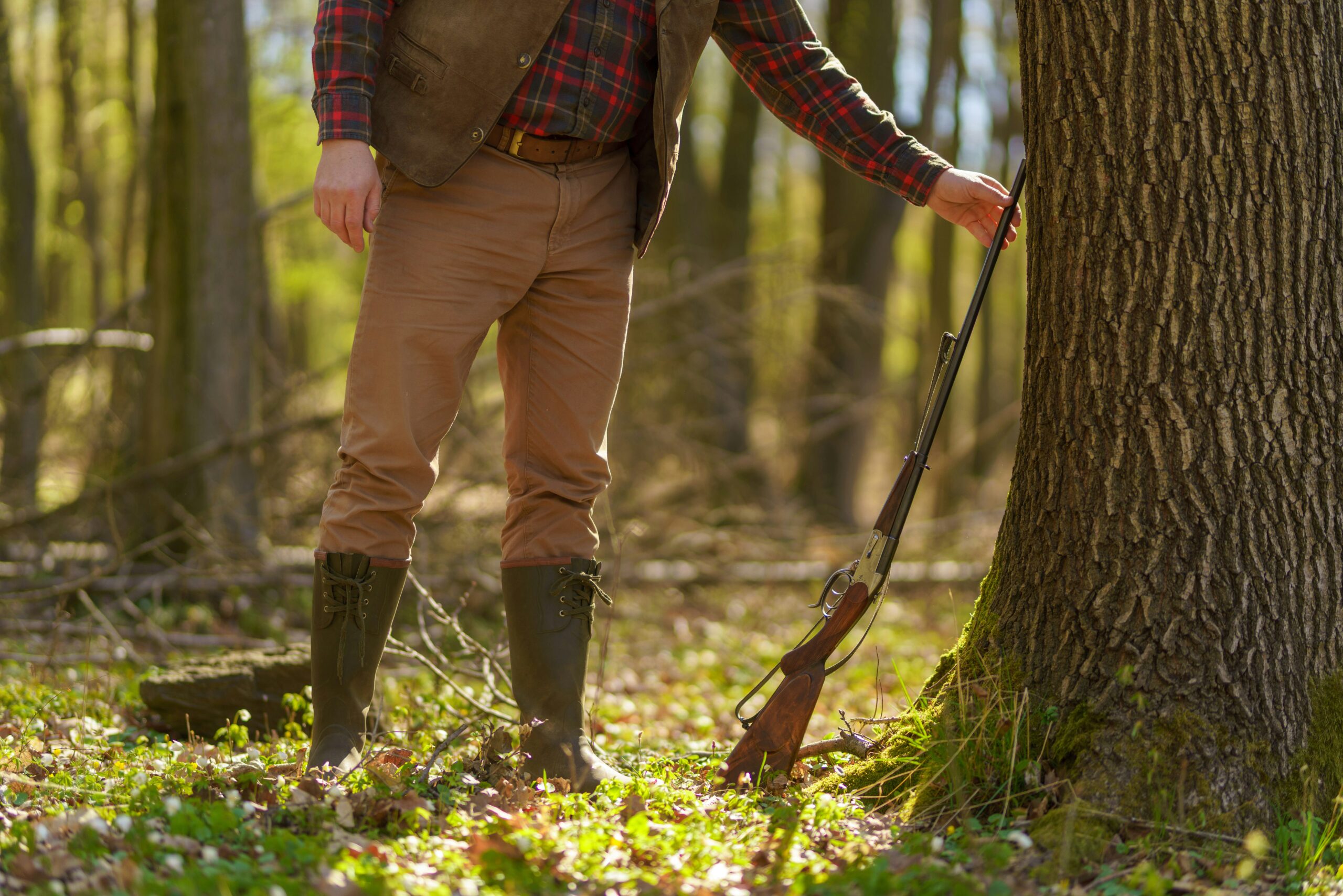
Getting started in hunting for beginners requires a solid understanding of safety, ethical practices, preparation, and skill development to ensure a responsible and rewarding experience in the field. New hunters gain confidence and accuracy by learning essential hunting basics before entering the woods, as proper preparation builds respect for wildlife and promotes safe decision-making.
While hunting provides opportunities for outdoor recreation, sustainable food sourcing, and a deeper connection with nature, beginners should approach the sport with patience and awareness. With structured guidance, realistic expectations, and regular practice, first-time hunters can develop the skills and knowledge needed to enjoy hunting safely, ethically, and responsibly.
Understanding Hunting Safety and Ethics
Safety serves as the foundation of every responsible hunting experience. New hunters must learn the rules for handling firearms or bows before practicing or heading into the field. Understanding how to load, carry, and store equipment properly reduces the risk of injury and establishes safe habits that will guide all future hunting activities. Safety also involves knowing your surroundings, identifying your target accurately, and remaining aware of other hunters who may share the area. These habits ensure that each trip into the outdoors remains controlled, respectful, and predictable.
Ethics play a major role in shaping a hunter’s long-term behavior and reputation. Ethical hunting requires respect for wildlife, habitat, and hunting regulations designed to support conservation. New hunters should understand legal harvest limits, seasonal restrictions, and the importance of taking only ethical shots that allow for quick and humane harvests. When beginners practice ethical decision-making, they contribute to a positive hunting culture and help preserve wildlife populations for future generations. Ethics also encourage gratitude and responsibility, reminding hunters that they are part of an interconnected natural system.
Learning Local Regulations and Wildlife Behavior
Understanding local laws is essential for all new hunters. Each state sets rules that protect wildlife populations and guide responsible hunting practices. Beginners must review hunting seasons, licensing requirements, tagging procedures, and species-specific regulations before planning a trip. Because laws vary widely by region, staying informed helps hunters avoid mistakes and ensures compliance with conservation goals. Many wildlife agencies also provide educational materials that introduce newcomers to safe and legal hunting practices.
Equally important is understanding the species’ behavior and habitat. Wildlife patterns reveal when and where animals move, feed, or take cover. Beginners should study tracks, feeding signs, and environmental cues that help identify active areas. Observing wildlife from a distance also helps new hunters learn body language and movement patterns, which improves identification and shot selection. When beginners understand animal behavior, they increase their chances of success while ensuring ethical and respectful hunting practices.
Preparing for the Hunt Through Practice and Scouting
Practice strengthens the skills that new hunters rely on during real hunts. Shooting accuracy, stealth, and patience develop over time, so beginners should establish regular practice routines. Time spent at shooting ranges or archery fields helps reinforce proper technique, hand-eye coordination, and confidence. Controlled practice environments allow hunters to receive feedback, correct mistakes, and track improvement, all of which contribute to safer performance in real scenarios.
Scouting enhances understanding of the land and wildlife patterns. Before the season begins, beginners should walk potential hunting areas to identify trails, food sources, bedding areas, and possible hazards. This preparation also familiarizes hunters with terrain, weather patterns, and access routes. Scouting ensures beginners feel mentally prepared, reducing anxiety and improving decision-making. When hunters combine practice with field knowledge, they increase safety, efficiency, and their chances of success.
Creating a Responsible and Enjoyable First Hunting Experience
A beginner’s first hunt shapes their long-term relationship with the sport. Planning a simple, realistic first outing helps new hunters stay calm and focused. Choosing accessible areas, favorable weather, and manageable distances reduces stress and improves the overall experience. Taking breaks, observing nature, and embracing the learning process help beginners enjoy the day even without harvesting an animal. Hunting teaches patience, awareness, and gratitude, and these lessons become more meaningful when beginners feel supported.
Additionally, reflecting after the first hunt helps new hunters grow. Reviewing what worked well and what felt challenging encourages skill-building and deeper understanding. Whether the hunt results in a harvest or not, beginners should celebrate progress and acknowledge their growth. As they continue practicing, learning, and connecting with the outdoors, hunters build confidence and long-term appreciation for responsible hunting.
Building Skills Through Mentorship and Education
Guidance from experienced hunters accelerates learning and strengthens confidence. Mentors offer first-hand insight into safety, ethics, navigation, and animal behavior that books or videos cannot fully replicate. Beginners who hunt alongside knowledgeable individuals gain valuable experience observing how experts make decisions, plan outings, and respond to unexpected situations. Mentorship also provides emotional support, allowing newcomers to ask questions without fear of judgment. Education plays an equally important role in developing skilled and responsible hunters.
Many states require hunter education courses that teach essential safety rules and ethical practices. These courses provide structured training for beginners who need foundational knowledge before heading outdoors. Continuing education through workshops, online modules, and conservation programs strengthens long-term understanding of wildlife management. When beginners seek education and mentorship, they build a stronger connection to the sport and develop habits that ensure lifelong safe and ethical hunting.