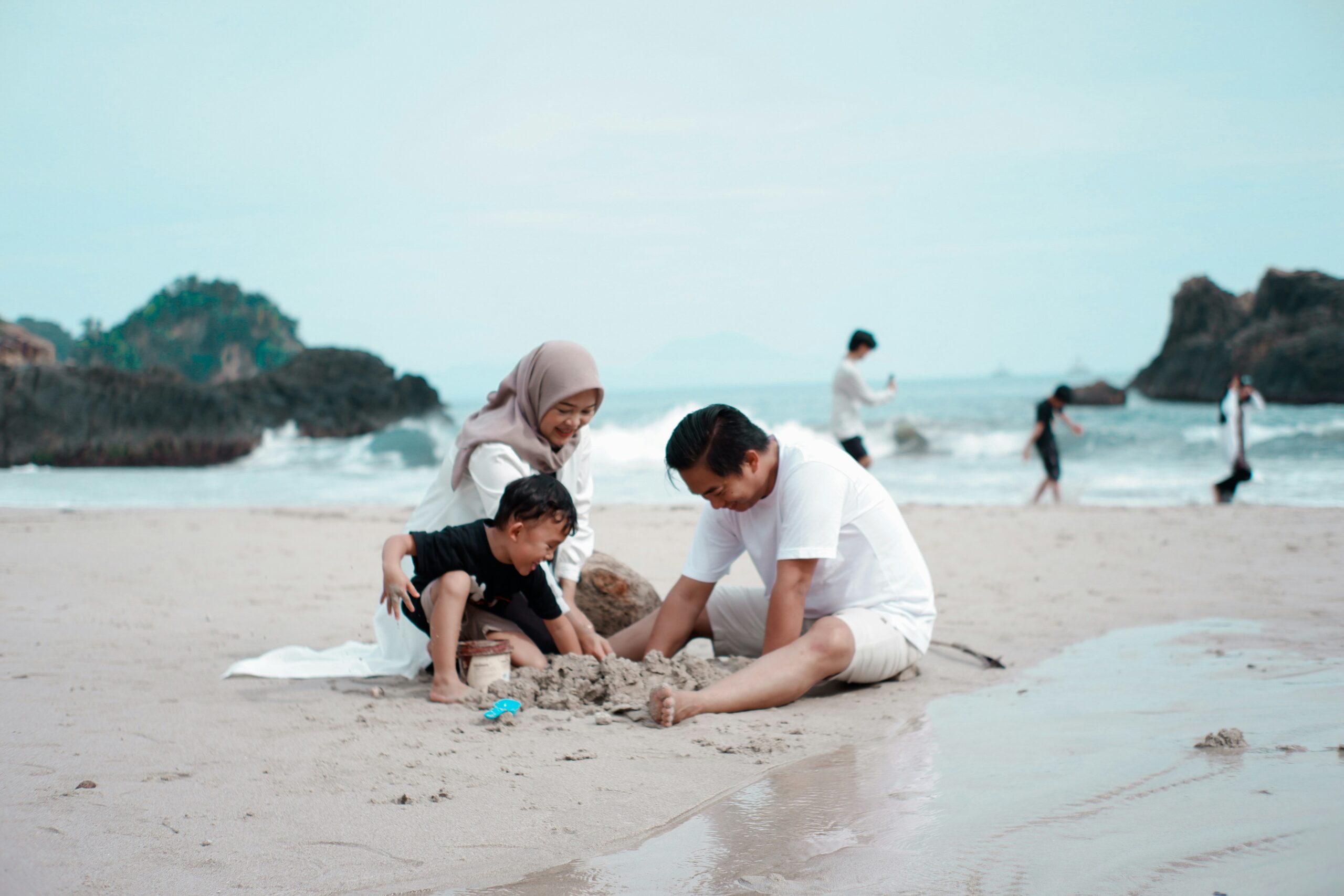
Weekends give families a chance to slow down and enjoy life together. After a long week of school, work, errands, and chores, even a small break can feel special. Parents often think they need big plans to make weekends memorable, but children usually value simple moments the most. They remember laughter at breakfast, a walk outside, a game on the floor, or a quiet story before bed.
The best family weekends do not need to cost much. They only need care, attention, and a little planning. When parents focus on being present, ordinary hours can turn into meaningful memories. A simple weekend can help kids feel loved, heard, and connected. It can also help parents enjoy the small joys that often get lost during busy weekdays.
Start the Weekend with a Slow Morning
A slow morning can set a calm and happy tone for the whole weekend. Instead of rushing into chores or errands, let the day begin with ease. Make breakfast together, sit at the table, and talk without checking phones. Pancakes, eggs, toast, fruit, or cereal can feel special when everyone shares the moment.
Children enjoy small changes in routine. Let them choose the music, help pour juice, or set the table. Ask each person what they want from the day. Some may want to play outside. Others may want quiet time at home. This simple conversation helps the family feel like a team before the day begins.
Make Home Feel Like a Place for Fun
Families do not always need to leave the house to enjoy the weekend. A home can become a warm and playful space with a few small changes. Move pillows to the living room floor, build a blanket fort, bake cookies, or set up a cozy reading spot. These activities feel easy, but they give kids a sense of joy and comfort.
Parents can make the day feel different by fully joining in. Sit on the floor, play pretend, help build, or read aloud. Children notice when adults take part with real interest. A simple hour at home can become a favorite memory when everyone gives it their full attention.
Spend Time Outside Together
Fresh air can refresh the whole family. A walk around the block, a visit to a park, or time in the backyard can help kids move their bodies and clear their minds. Parents also benefit from stepping away from screens and indoor tasks. Outdoor time often makes conversation easier and moods lighter.
You can make the outing more meaningful by giving it a small purpose. Look for birds, collect leaves, notice cloud shapes, or listen for different sounds. Kids love feeling like explorers. A short walk can become an adventure when the family pays attention to the world around them.
Turn Meals into Family Moments
Meals can be more than something to finish quickly. On the weekend, food can become a way to connect. Let the family make lunch or dinner together. Choose something simple, such as homemade pizza, tacos, sandwiches, pasta, or soup. Give each person a small job that fits their age.
Cooking together teaches patience and teamwork, but it also creates laughter. A child may spill flour, add too much cheese, or make a funny-shaped sandwich. These moments are part of the fun. When the food is ready, sit down together and enjoy it slowly. A shared meal can become one of the most meaningful parts of the day.
Create a Small Family Tradition
A weekend tradition gives children something to look forward to. It can be very simple. Your family might have Friday movie night, Saturday pancakes, Sunday evening walks, or a weekly board game. The activity matters less than the feeling it creates. Children love routines that feel warm and safe.
Traditions also help parents protect family time. When something becomes part of the weekend rhythm, it is easier to keep it from being replaced by chores or busy plans. Over time, these repeated moments become part of your family story. Kids may remember them long after they grow older.
Plan a Screen-Free Hour
Screens are part of modern life, but families still need time without them. A screen-free hour can help everyone focus on each other. Turn off the television, put phones away, and choose an activity that invites conversation. You can play cards, draw, build with blocks, do a puzzle, or sit outside together.
At first, children may resist the change, especially if they are used to screen time on weekends. Keep the mood light and positive. Do not present it as a punishment. Join the activity yourself and show interest. When kids see parents taking part, they are more likely to enjoy the time and relax into the moment.
Use Simple Games to Bring Everyone Together
Games can create laughter and connection without much planning. A board game, card game, guessing game, or backyard race can bring the family together. Choose games that match your children’s ages so everyone can join without feeling left out or frustrated.
The goal is not to win. The goal is to enjoy each other. Parents can keep the mood friendly by praising effort, laughing at silly moments, and helping younger kids when needed. Even a short game can help the family feel closer. Shared play reminds children that parents are not only caregivers, but also companions.
Make Time for One-on-One Attention
Family time is important, but children also need personal attention from each parent when possible. A weekend can include small one-on-one moments. One child might help make breakfast. Another might take a short walk with a parent. A few minutes of focused attention can make a big difference.
During this time, let the child lead the conversation or activity. Listen without rushing. Ask about their interests, ideas, and feelings. These quiet moments build trust. They show children that they matter as individuals, not only as part of the family group.
Do Something Kind as a Family
Kindness can make a weekend feel deeper and more meaningful. Families can write a card for a relative, help a neighbor, donate toys, call a grandparent, or clean up a small area at a park. These acts do not need to be large. A small kindness still teaches children about care and respect.
When parents involve kids in helping others, they show that family time can serve a purpose, too. Talk about how a kind act may make someone feel. Children learn by doing. A simple act of care can help them see that their choices can bring comfort and joy to others.
Leave Space for Rest
A good weekend does not need to be packed from morning to night. Families need rest too. Children can become tired when every hour is planned. Parents can feel stressed when they try to make everything perfect. Leaving open space helps the weekend feel peaceful.
Rest can look different for each family. It may mean reading quietly, taking a nap, sitting outside, listening to music, or doing nothing for a while. These pauses matter. They give everyone time to recharge and enjoy the weekend without pressure.
End the Weekend with Reflection
Sunday evening is a good time to look back on the weekend. Gather for a few minutes and ask each person to share a favorite moment. It could be a meal, a game, a walk, a funny comment, or a quiet part of the day. This helps children notice and value simple joys.
You can also use this time to prepare gently for the week ahead. Pack bags, choose clothes, and talk about what is coming next. Then return to something calm, such as reading or sharing a snack. A peaceful ending helps the family carry the warmth of the weekend into Monday.
Make Every Moment Count with Presence
Simple family weekend ideas work best when parents stay present. Kids do not need perfect plans. They need attention, warmth, and time. A walk, meal, game, story, or quiet talk can become meaningful when everyone is fully there.
Making every moment count does not mean doing more. It means noticing what is already in front of you. When families slow down and enjoy simple time together, weekends become more than a break from routine. They become a steady source of love, comfort, and lasting memories.