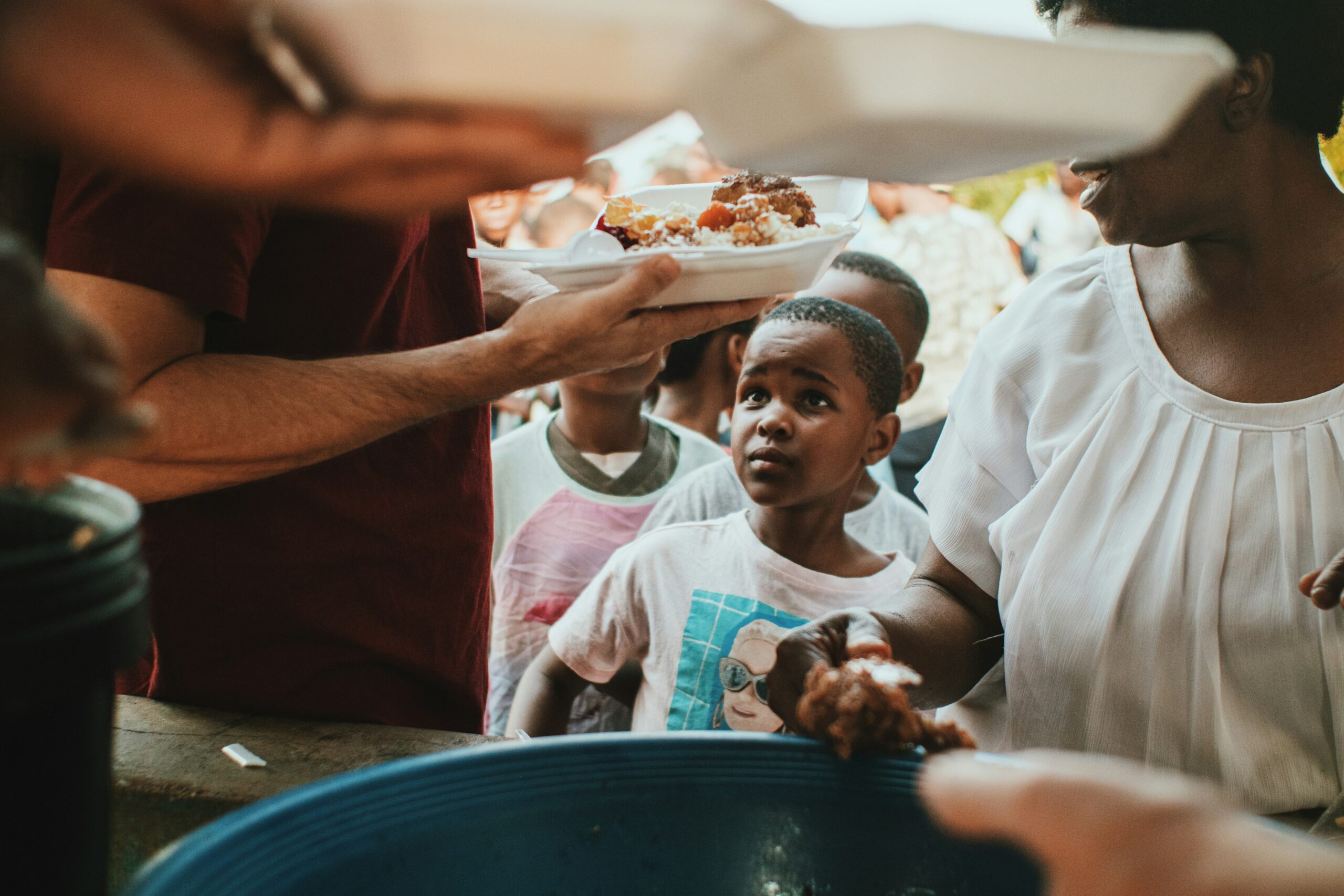
Hunters across the United States often wonder how to give back in a meaningful way after a successful season. One powerful answer lies in donating venison to help feed families in need. In Huntsville, Alabama, partnerships with local organizations like Manna House create a direct bridge between harvested game and households facing food insecurity.
Because venison is lean, high in protein, and nutrient-rich, it offers an excellent food source for individuals and families who may struggle to afford healthy meat options. In addition, donation programs help reduce waste while turning a successful hunt into a life-changing resource for someone else. As food prices continue to rise, these efforts become even more important.
This guide explores how venison donation works, why it matters, and how partnering with Manna House helps strengthen food access across the Huntsville community.
Understanding Food Insecurity in Huntsville
Food insecurity affects many families in both urban and rural communities. In Huntsville, some households face difficult choices between paying bills and buying nutritious food. Although grocery stores remain available, affordability creates a major barrier.
As a result, local food assistance organizations play a critical role in bridging the gap. They provide groceries, meals, and emergency support to individuals and families in need. However, these organizations depend heavily on donations to meet growing demand.
In addition, protein is often the most expensive part of a grocery budget. Because of this, meat donations such as venison can significantly improve the nutritional quality of food assistance programs. When families receive protein-rich meals, they gain better energy, improved health, and more stability in their daily lives.
Why Venison Makes a Powerful Donation Choice
Venison stands out as one of the most valuable meats for food donation programs. First, it is naturally lean and contains less fat than many store-bought meats. Therefore, it provides a healthier alternative for families who may not have access to fresh, nutritious options.
Moreover, venison is typically harvested locally during hunting seasons, which makes it a sustainable resource. Since deer populations must be managed for ecological balance, responsible hunting supports both conservation and community needs.
In addition, venison can be processed into ground meat, roasts, or packaged cuts, making it versatile for food distribution. Food banks and meal programs can use it in soups, stews, chili, and many other meals. Consequently, one donated deer can help feed multiple families over several days or even weeks.
How Venison Donation Programs Work
Venison donation programs usually follow a simple but carefully managed process. Hunters first harvest deer during legal hunting seasons. After that, the meat is taken to approved processing facilities that follow strict safety guidelines.
Next, processors prepare and package the meat for distribution. This step ensures the venison meets food safety standards before it reaches any recipient. In many cases, hunters can choose to donate all or part of their harvest.
Once processed, the venison is delivered to partner organizations, such as Manna House. From there, staff and volunteers distribute it through meal programs or food pantry services. Because of this structured system, donated venison moves efficiently from field to table.
In addition, many programs make the donation process easy for hunters by working directly with processors. So, hunters do not need to handle complex logistics on their own.
The Role of Manna House in Feeding Families
Manna House serves as a vital resource for individuals experiencing homelessness and food insecurity in the Huntsville area. Through meals, outreach services, and community support, the organization helps meet immediate needs while also offering long-term assistance pathways.
Because Manna House operates with strong community partnerships, it can expand its reach beyond traditional food donations. Venison donations fit naturally into its mission by providing high-quality protein that supports daily meal programs.
In addition, the organization works with volunteers and donors who care about making a local impact. As a result, venison contributions often become part of a larger effort to restore dignity and stability for those in need.
Furthermore, Manna House uses donated food to serve hot meals and support individuals who may not have access to cooking facilities. Therefore, ready-to-use venison becomes especially valuable in their operations.
Steps for Donating Venison in Huntsville
Hunters who want to contribute venison to local families can follow a straightforward process. First, they should check local regulations regarding game donation and ensure their harvest meets state requirements. This step helps maintain safety and compliance.
Next, hunters should locate a participating meat processor that works with food donation programs. Many processors already have agreements with organizations like Manna House, which significantly simplifies the process.
After that, hunters can request that their deer be processed specifically for donation. In most cases, the processor handles packaging, labeling, and preparation for distribution. So, hunters do not need to manage additional steps.
Finally, the venison is delivered directly to partner organizations. Because of this streamlined system, even first-time donors can participate without confusion or stress.
How Venison Donations Strengthen Community Connections
Venison donation programs do more than provide meals. They also build stronger relationships between hunters, processors, nonprofits, and families in need. As these connections grow, the entire community benefits from shared responsibility and support.
For example, hunters often feel a deeper sense of purpose when they know their harvest helps feed local families. At the same time, recipients receive nutritious food that supports their health and well-being. Therefore, both sides gain value from the exchange.
In addition, local businesses such as meat processors and grocery partners often participate in donation networks. Because of this collaboration, the program becomes a community-wide effort rather than a single organization’s responsibility.
Moreover, these partnerships encourage long-term sustainability. As awareness grows, more hunters choose to donate, and more families receive consistent support.
Addressing Hunger Through Sustainable Solutions
One of the most important benefits of venison donation programs is sustainability. Instead of relying solely on store-bought food, communities can use naturally available resources to support those in need.
Since deer populations must be managed to maintain ecological balance, harvesting venison already serves an environmental purpose. When that harvest also feeds families, it creates a double benefit for both nature and society.
Furthermore, venison donation programs help reduce food waste. Rather than letting meat go to waste, it is redirected to those who need it most. Because of this, the system supports both environmental responsibility and social care.
In addition, sustainable food solutions like this help reduce pressure on food banks during times of high demand. As a result, organizations like Manna House can focus more resources on outreach and support services.
Encouraging More Hunters to Get Involved
Expanding venison donation programs depends on awareness and participation. Many hunters already care deeply about conservation and community support. Therefore, learning about donation opportunities often motivates them to contribute.
Community outreach plays an important role in this effort. When organizations share stories of impact, more people understand how meaningful a single donation can be. In addition, clear instructions and simple processes make participation easier.
Furthermore, hunting groups and outdoor communities can help spread awareness. As more individuals join donation efforts, the impact continues to grow. So, even small contributions, when combined, create significant change.
Donating venison through partnerships with organizations like Manna House offers a powerful way to support families facing food insecurity in Huntsville. Because venison provides high-quality nutrition, it helps improve meals while also reducing food shortages in local programs.
In addition, the donation process remains simple, efficient, and sustainable. Hunters, processors, and nonprofits all work together to ensure food reaches those who need it most. As a result, the community becomes stronger, healthier, and more connected.
Ultimately, venison donation turns a successful hunt into a meaningful act of service. So, when hunters choose to share their harvest, they do more than provide food. They help build hope, stability, and dignity for families across Huntsville.