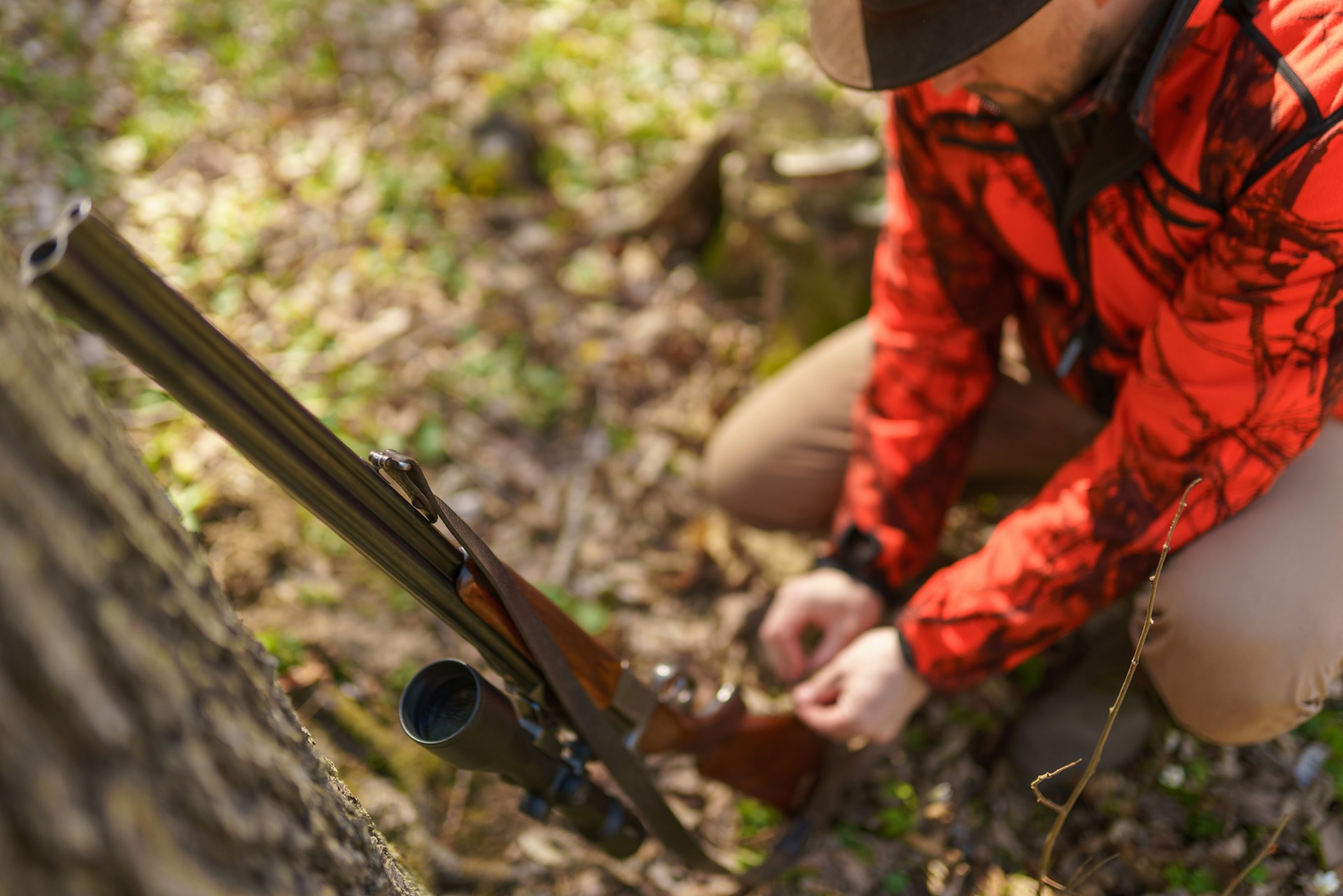
Hunting is both a skill and a responsibility that requires careful preparation and informed choices. Essential hunting gear forms the foundation of a safe, ethical, and productive hunting experience. Understanding why each piece of equipment matters helps hunters make better decisions in the field and reduces unnecessary risks. This educative guide explains how essential hunting gear supports comfort, awareness, and respect for wildlife while improving overall hunting success.
Understanding Essential Hunting Gear for Clothing and Protection
Essential hunting gear begins with clothing that protects the body while supporting effective movement in natural environments. Hunting apparel is designed to manage body temperature, reduce noise, and provide protection from weather conditions. Proper clothing allows hunters to remain focused for extended periods without distraction from discomfort. Breathable fabrics help regulate heat during activity, while insulating layers preserve warmth when temperatures drop.
Camouflage plays an important role in essential hunting gear by helping hunters blend into their surroundings. Matching clothing patterns to the environment reduces visual detection by wildlife. Equally important is fabric choice, as quiet materials minimize sound during movement. Weather resistant outerwear shields the body from wind and moisture, allowing hunters to remain outdoors longer and maintain concentration.
Footwear is a critical but often underestimated part of essential hunting gear. Hunting boots are designed to support the feet and ankles while navigating uneven terrain. Proper boots reduce fatigue, improve balance, and protect against environmental hazards. Waterproof construction keeps feet dry, while breathable materials prevent overheating. Comfortable footwear directly influences endurance and safety during a hunt.
Learning About Essential Hunting Gear for Weapons and Accuracy
Weapons are a central element of essential hunting gear and must be chosen with care and understanding. A hunter’s weapon should align with the type of game pursued, the terrain, and personal skill level. Well maintained equipment improves accuracy and reliability, which supports ethical harvesting practices. Familiarity with weapon operation allows hunters to act calmly and responsibly in critical moments.
Ammunition and accessories are equally important in essential hunting gear. Using appropriate ammunition or archery equipment ensures consistent performance and humane outcomes. Reliable gear reduces the risk of injury to both the hunter and the animal. Carrying equipment in a balanced and comfortable manner helps conserve energy and maintain readiness throughout the hunt.
Safety awareness is a key educational aspect of essential hunting gear. Visibility elements designed for hunting environments help prevent accidents while maintaining effectiveness in the field. Understanding how to balance safety requirements with hunting strategies contributes to responsible participation and shared respect among hunters.
Exploring Navigation and Observation
Navigation tools are an educational cornerstone of essential hunting gear, especially when operating in unfamiliar landscapes. Understanding how to orient oneself in the environment prevents disorientation and enhances decision making. Navigation equipment supports route planning and safe return, reducing reliance on guesswork. Knowledge of terrain features strengthens confidence and situational awareness.
Observation tools further enhance the value of essential hunting gear by allowing hunters to study wildlife behavior from a distance. Optics help identify animals accurately without unnecessary disturbance. Observational awareness supports ethical decision making and reduces wasted effort. Learning how to observe patiently and effectively is a key skill developed through proper gear use.
Practical field tools also belong in essential hunting gear. A dependable cutting tool assists with processing and camp tasks, while versatile accessories support adaptability in changing conditions. These tools encourage preparedness and problem solving, reinforcing the importance of thoughtful equipment selection.
Applying Safety and Field Preparedness
Safety and preparedness are central lessons taught through essential hunting gear. Even with careful planning, unexpected situations can arise. Emergency supplies provide reassurance and practical support during unforeseen challenges. Understanding how to respond to minor injuries or sudden weather changes is an essential part of hunting education.
Nutrition and hydration are often overlooked but vital components of essential hunting gear. Sustained energy supports clear thinking and physical endurance. Proper nourishment allows hunters to remain alert and responsive throughout the day. Learning how to balance supplies with pack weight encourages efficiency and preparedness.
Comfort also plays a significant educational role in essential hunting gear. A well designed pack supports posture and reduces strain, allowing hunters to focus on their surroundings rather than physical discomfort. Organized equipment storage saves time and reduces stress, contributing to a more effective and enjoyable hunting experience.
Educational Conclusion
Essential hunting gear represents more than equipment; it reflects knowledge, responsibility, and respect for the outdoors. Each item serves a purpose that supports safety, ethical behavior, and environmental awareness. Learning how and why to use proper gear helps hunters develop confidence and competence in the field.
By understanding essential hunting gear and applying it thoughtfully, hunters improve their ability to adapt to nature’s challenges. Education through preparation leads to safer practices, better outcomes, and deeper appreciation for the hunting tradition. With the right knowledge and equipment, every hunt becomes an opportunity for responsible learning and lasting success.