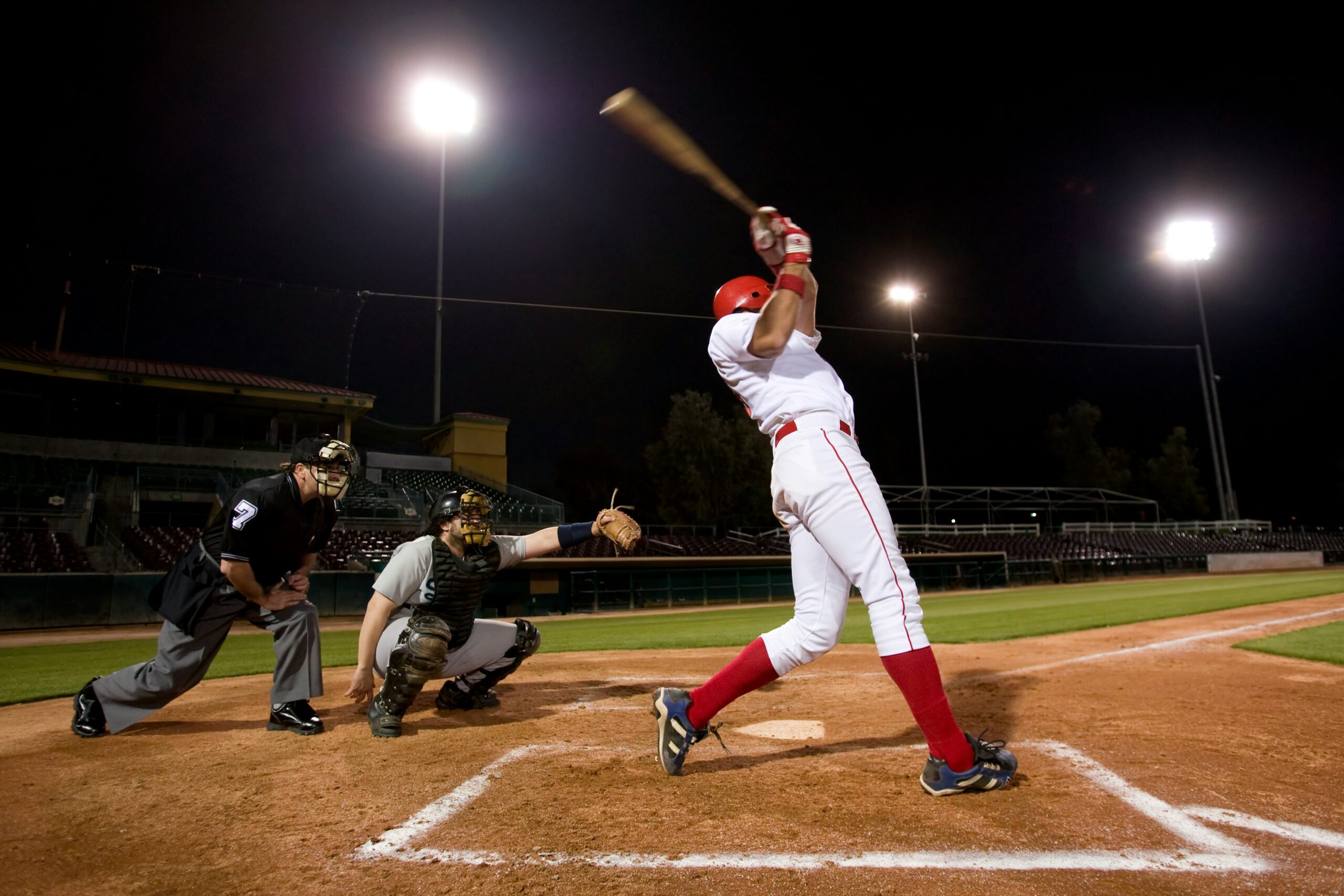
Travel baseball teams face unique challenges when preparing for games and tournaments. Players often spend hours traveling between cities, adjusting to unfamiliar fields, and managing busy schedules. However, consistent practice remains essential for improving individual performance and building strong teamwork. Simple baseball drills can help players build key skills without needing a full practice facility.
Moreover, effective training does not always involve long practice sessions or expensive equipment. Coaches can organize short, focused activities that improve throwing, catching, hitting, and fielding. These exercises help players maintain confidence and prepare for competitive situations. Therefore, travel baseball teams should focus on practical drills that fit their schedules while supporting steady player development.
Building Strong Throwing Fundamentals
Throwing accuracy plays an important role in successful baseball performance. Players must develop proper mechanics to make reliable throws during games. Coaches can organize partner throwing drills that focus on balance, body positioning, and controlled arm movements. Additionally, players should begin with comfortable distances and gradually increase the challenge as their technique improves. This approach encourages consistency while reducing unnecessary strain.
Short throwing sessions also fit easily into a travel team’s routine. Players can practice on suitable fields or designated training areas before games. Coaches should emphasize smooth movement over maximum throwing speed. Proper warmups and adequate recovery also help protect young athletes from overuse injuries. As a result, regular throwing practice can improve confidence, accuracy, and overall defensive performance.
Improving Catching Skills Through Partner Drills
Reliable catching skills help players make important defensive plays. Partner catching drills provide a simple way to develop hand-eye coordination and improve reaction time. Players can begin with controlled throws at comfortable distances while focusing on proper glove positioning. Coaches can also introduce different throwing angles to simulate common game situations.
Additionally, players should practice catching balls at various heights while maintaining good balance. Ground-level catches, chest-high throws, and slightly elevated tosses can improve coordination. However, coaches should adjust difficulty according to each player’s age and experience. Short practice sessions with constructive feedback help athletes build confidence. As a result, consistent catching drills can strengthen the team’s defensive reliability.
Developing Better Fielding Techniques
Fielding drills help baseball players improve their defensive movements and ball control. Ground ball exercises remain especially useful because they reinforce proper footwork and glove positioning. Coaches can roll or gently hit balls toward players while encouraging them to stay balanced and watch the ball carefully. Additionally, players should practice moving into a stable fielding position before making controlled throws.
Furthermore, travel teams can organize compact fielding stations when practice space is limited. Players can rotate through basic movements that involve approaching ground balls, securing catches, and preparing throws. These activities require little equipment and allow several athletes to participate. As a result, short fielding sessions can improve defensive consistency without creating unnecessary fatigue before important games.
Strengthening Hitting Skills With Tee Drills
Batting tee drills provide an effective way to improve hitting fundamentals. Players can focus on stance, balance, hand positioning, and controlled swings without worrying about pitch timing. Coaches can also adjust tee height and ball placement to practice different contact points. This flexibility makes tee work useful for beginners and experienced travel baseball players.
Moreover, players can complete focused hitting sessions using portable tees and practice nets in approved training areas. Coaches should encourage balanced swings and consistent contact rather than excessive power. Recording a few swings can also help identify areas that need improvement. As a result, regular tee drills help players refine their technique while maintaining confidence during tournament travel.
Practicing Batting Timing and Coordination
Good hitting requires players to recognize pitches and coordinate their movements effectively. Soft toss drills can help athletes develop timing while focusing on controlled contact. During these exercises, a coach or teammate delivers manageable tosses from a safe position. Players can also focus on tracking the ball and maintaining proper balance throughout the swing.
Additionally, coaches can introduce simple tracking exercises that do not require full swings. Players can observe a moving ball and practice recognizing its direction while keeping their heads steady. These activities help strengthen visual concentration and coordination. However, coaches should avoid overwhelming players with too many instructions. Consistent practice and clear feedback encourage gradual improvement in batting performance.
Enhancing Footwork and Base Running
Base running requires speed, awareness, and efficient movement. Short acceleration drills can help players improve their first steps and develop better running habits. Coaches can organize exercises that focus on quick starts, controlled stopping, and safe changes of direction. Players should also practice maintaining balance while running between bases.
Base running also involves making smart decisions in competitive situations. Coaches can create simple scenarios that teach players when to advance, return, or remain on a base. These exercises encourage awareness and communication without requiring a full game. Therefore, combining movement practice with situational learning can help travel baseball players become more confident and effective runners.
Building Team Communication Through Defensive Drills
Clear communication helps baseball teams avoid confusion and improve defensive coordination. Players must understand their responsibilities during catches, throws, and fielding situations. Coaches can organize simple drills that require athletes to call for the ball and communicate with nearby teammates. These activities also encourage players to speak confidently while staying aware of their surroundings.
Defensive communication also improves when players practice realistic game situations. Coaches can create controlled scenarios involving fly balls, ground balls, and base coverage. Players should learn to communicate clearly and support teammates during each exercise. As a result, these drills strengthen teamwork and help athletes develop greater trust in one another.