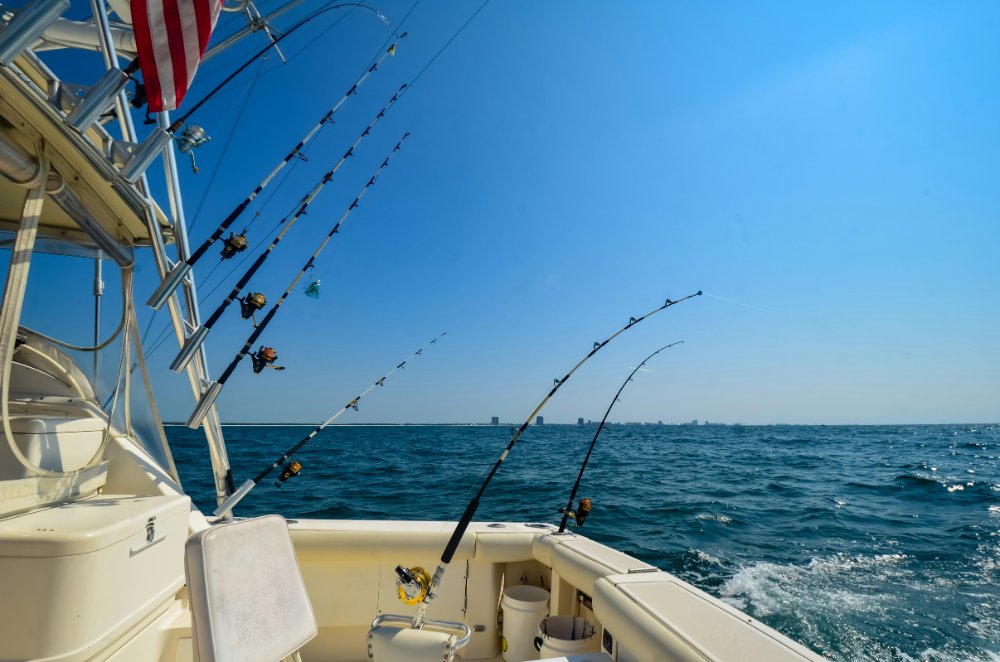
Ocean fishing offers an exciting experience for anglers who enjoy exploring coastal waters and catching different fish species. However, success often depends on choosing the right equipment. From fishing rods and reels to hooks and artificial lures, every item plays an important role. Understanding how these tools work together can improve performance and make fishing trips more enjoyable.
Selecting suitable ocean fishing tackle requires careful attention to water conditions, target species, and fishing techniques. Saltwater environments present unique challenges, including strong currents, powerful fish, and equipment corrosion. With the right knowledge, anglers can make informed decisions, avoid unnecessary purchases, and prepare for rewarding experiences on the water.
Understanding the Importance of Proper Fishing Equipment
Fishing equipment affects casting distance, line control, and the ability to handle different fish species. Using unsuitable gear can lead to broken lines, damaged rods, or missed catches. A balanced setup provides better control while reducing physical strain. Anglers should consider fishing locations and expected fish sizes before purchasing equipment.
Ocean fishing differs from freshwater fishing because saltwater conditions can damage ordinary equipment. Strong waves, changing tides, and larger fish also place additional pressure on fishing tools. Saltwater-resistant materials and reliable components help equipment perform consistently. Investing in suitable gear can reduce maintenance problems and improve long-term durability.
Selecting the Right Rod for Ocean Fishing
Fishing rods come in different lengths, strengths, and designs. A medium-power spinning rod works well for many beginners fishing near beaches, piers, and coastal structures. Longer rods can increase casting distance, making them useful for surf fishing. Shorter rods provide better control when fishing from boats or areas with limited space.
Rod material also influences comfort and performance. Graphite rods offer sensitivity and help anglers detect gentle bites. Fiberglass rods provide flexibility and durability, making them suitable for demanding conditions. Composite rods combine features of both materials. Choosing a rod that matches the fishing environment and target species creates a more comfortable experience.
Finding a Reliable Saltwater Fishing Reel
The fishing reel controls line movement and helps anglers manage fish during retrieval. Spinning reels remain popular because they are easy to operate and suitable for many fishing situations. Conventional reels can provide greater line capacity and strength for certain offshore applications. Beginners often prefer spinning models because they require less practice.
Saltwater resistance should remain a major consideration when selecting a reel. Look for corrosion-resistant materials, smooth drag systems, and durable internal components. A reliable drag system allows line to leave the reel under pressure, reducing the chance of breakage. Regular cleaning and proper storage help maintain performance and extend equipment life.
Choosing Fishing Lines That Match Ocean Conditions
Fishing line connects anglers to their catches and influences casting accuracy, sensitivity, and strength. Monofilament line offers flexibility and affordability, making it useful for general fishing. Braided line provides excellent strength with a smaller diameter and helps anglers detect subtle movements. Fluorocarbon line offers abrasion resistance and works well as a leader.
Each line type performs differently under changing ocean conditions. Braided line can improve sensitivity when fishing in deeper water, while monofilament provides additional stretch during sudden strikes. The correct line strength depends on fish size, cover, and fishing method. Matching line capacity with the reel also prevents unnecessary problems during casting and retrieval.
Selecting Hooks, Sinkers, and Essential Accessories
Hooks play an important role in securing fish after they strike. Different shapes and sizes serve different purposes. Circle hooks work well for many natural bait applications and can reduce deep hooking when used correctly. J-hooks offer versatility for certain techniques and artificial presentations. Always choose hook sizes that match the bait and target fish.
Sinkers help position bait at the desired depth, especially in strong currents. Heavier weights may keep bait near the ocean floor, while lighter options allow more natural movement. Swivels reduce line twisting, and leaders protect against abrasion. Anglers should also carry pliers, line cutters, spare hooks, and a compact tackle box for quick adjustments.
Understanding Different Types of Artificial Fishing Lures
Artificial lures imitate the appearance and movement of natural prey. Soft plastic lures often resemble shrimp, small fish, and other marine creatures. Metal spoons reflect light and create movement that attracts predatory fish. Hard plastic lures can imitate swimming baitfish and work at different depths depending on their design.
Topwater lures create surface activity that can attract fish feeding near the waterline. Jigs provide controlled movement and are useful when fish remain close to the bottom. Each lure serves a different purpose, so anglers should avoid relying on one design. Carrying several suitable options allows quick adjustments when fish behavior changes.
Matching Lure Colors and Sizes to Water Conditions
Lure color can influence visibility and fish response. In clear water, natural shades often resemble local baitfish and may appear less unusual to cautious predators. Bright colors can improve visibility in cloudy or stained water. However, fish behavior also depends on available light, movement, and the surrounding environment.
Lure size should reflect the prey that fish commonly eat. Small lures may attract fish feeding on tiny baitfish, while larger presentations can appeal to bigger predators. Matching local food sources often improves results. Anglers should observe surface activity and experiment with different sizes before deciding which option works best.
Adapting Fishing Tackle to Different Ocean Locations
Fishing from beaches requires different equipment than fishing from boats or rocky shorelines. Surf anglers often use longer rods to cast beyond breaking waves. Pier fishing may require stronger equipment to lift or guide fish safely. Boat fishing setups usually emphasize control, suitable line capacity, and the ability to handle deeper water.
Rocky coastal areas present additional challenges because sharp surfaces can damage fishing lines. Abrasion-resistant leaders help protect connections near underwater structures. Strong currents may also require heavier sinkers or different lure weights. Understanding local conditions allows anglers to create balanced setups that improve performance without carrying unnecessary equipment.