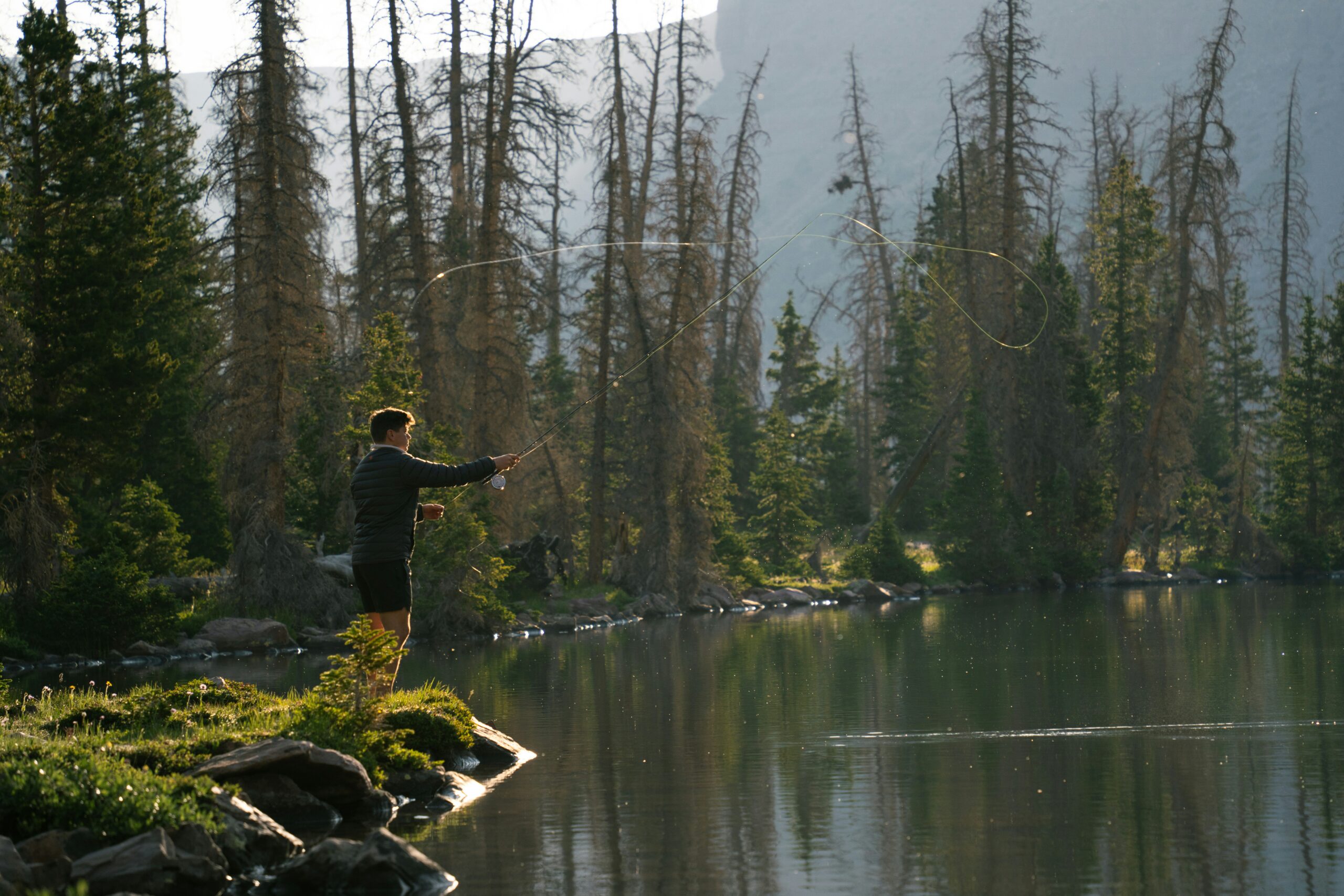
Learning fly fishing may seem difficult at first, but the process becomes much easier when you focus on a few basic skills. New anglers do not need advanced equipment or years of experience to enjoy the sport. A simple setup, regular practice, and a basic understanding of fish behavior can help you make steady progress. The key is to learn one skill at a time instead of trying to master everything during your first day on the water.
Fly fishing is different from many other types of fishing because the line helps deliver a lightweight artificial fly. This requires timing, control, and patience. However, beginners can develop these skills through short practice sessions and real experience. As you become more comfortable with casting, reading water, choosing flies, and handling fish, the sport becomes far more natural and enjoyable.
Start With a Simple Fly Fishing Setup
New anglers should keep their first setup simple. A basic fly fishing system includes a rod, reel, fly line, leader, tippet, and several flies. A nine-foot, five-weight rod is a popular beginner choice because it works well in many freshwater situations. It offers enough control for learning while still handling common fish such as trout, bass, and panfish.
You do not need to buy the most expensive equipment available. Beginner combination packages often include a balanced rod, reel, and line that work well together. This can prevent confusion when matching equipment. You should also consider polarized sunglasses, basic fishing tools, and comfortable clothing. Simple, reliable gear allows you to focus more on learning technique and less on equipment problems.
Practice Casting Before Reaching the Water
Casting often feels unfamiliar during the first few practice sessions. Unlike traditional fishing, fly casting depends on the movement and weight of the line. The goal is to create smooth loops that carry the fly toward your target. Beginners sometimes use too much force, but good casting depends more on timing than strength. Controlled movements usually produce cleaner and more accurate casts.
An open lawn is an excellent place to practice. Use a piece of yarn instead of a hook for safety. Start with short casts and focus on keeping your movements smooth. Allow the line to straighten behind you before moving the rod forward. Practicing for fifteen or twenty minutes several times a week can improve your control much faster than one long and tiring session.
Learn a Few Essential Knots
Fly fishing uses several knots, but beginners do not need to learn them all immediately. Start with a few basic connections that allow you to attach your fly, join sections of leader, and replace damaged tippet. Learning reliable knots will save time on the water and reduce the chance of losing fish because of a weak connection.
Practice tying knots at home where you can see clearly and work without pressure. Repetition helps your hands remember each step. Once you can tie a knot comfortably, practice doing it outdoors or in lower light. Always check the finished knot before casting. A neat, secure knot gives you confidence when a fish finally takes your fly.
Understand the Main Types of Flies
Fly selection becomes easier when you understand the main categories. Dry flies float on the surface and often imitate adult insects. Nymphs travel below the surface and represent young aquatic insects. Streamers usually imitate small fish or other swimming prey. Each style can work well, depending on where fish are feeding and what food is available.
Beginners should avoid carrying dozens of patterns. Instead, choose a few proven flies that work well in your local waters. A local fly shop can help you identify useful patterns and sizes. Observe the water while fishing, too. If fish rise to the surface, a dry fly may work. When activity stays underwater, a nymph or streamer may produce better results.
Learn How to Read the Water
Finding fish is one of the most valuable skills a new angler can develop. Fish usually stay in areas that provide food, protection, and comfortable water speed. Look for deeper pools, rocks, fallen branches, shaded banks, and places where fast water meets slower currents. These areas often allow fish to feed without using too much energy.
Spend time watching the water before you start casting. Look for rising fish, insects, movement, or changes in current. Avoid rushing directly into the stream because your movement may scare nearby fish. A quiet approach can make a major difference. As you gain experience, you will begin to recognize productive water more quickly and make better decisions before each cast.
Focus on Natural Fly Presentation
A perfect cast does not guarantee a fish. The fly must also move in a believable way. In many situations, fish respond best when the fly travels naturally with the current. If your line pulls the fly too quickly or moves it in an unusual direction, fish may ignore it. Learning to manage your line is therefore just as important as learning to cast.
Shorter casts often make presentation easier for beginners. Less line on the water gives you more control and helps you detect strikes. Watch the fly, line, or indicator closely for unusual movement. When something changes, respond quickly but calmly. Over time, you will become better at recognizing when a fish has taken the fly and when the current simply moved your line.
Ask Experienced Anglers for Guidance
Fly fishing becomes easier when you learn from someone with experience. A friend, guide, fishing club, or local shop can help correct mistakes before they become habits. Even a short lesson can improve your casting, knot tying, and water-reading skills. Watching someone demonstrate a technique often makes the process clearer than reading about it alone.
Do not worry about asking basic questions. Most experienced anglers remember what it felt like to be a beginner. Ask why they choose certain flies, where they expect fish to hold, and how they adjust to changing conditions. Useful advice can shorten your learning curve, but personal practice still matters. The best progress comes from combining guidance with regular time on the water.
Stay Safe and Follow Local Rules
Safety should remain a priority during every fly fishing trip. Rivers can have slippery rocks, strong currents, sudden drop-offs, and changing conditions. Wear footwear with good traction and move slowly when wading. Never enter water that feels unsafe. Weather can also change quickly, so check conditions before leaving and carry clothing that fits the expected temperature.
You should also learn the fishing regulations for the area you plan to visit. Rules may cover licenses, fishing seasons, allowed methods, catch limits, and protected waters. Following these requirements helps protect fish populations and local habitats. Responsible anglers also remove fishing line and trash, avoid damaging plants, and treat wildlife with care while enjoying the outdoors.
Build Skill Through Patience and Experience
Every new fly angler makes mistakes. You may create tangled leaders, lose flies, miss fish, or struggle with certain casts. These moments are part of the learning process. Instead of becoming frustrated, focus on one improvement during each trip. You might practice accuracy one day and concentrate on reading currents during another. Small gains eventually create strong habits.
The best way to learn fly fishing is to spend time practicing while staying curious. Pay attention to the water, weather, insects, and fish behavior. Keep your equipment simple and work on basic skills before moving to advanced techniques. With patience and regular experience, casting becomes smoother, fly selection becomes easier, and each trip becomes more rewarding.