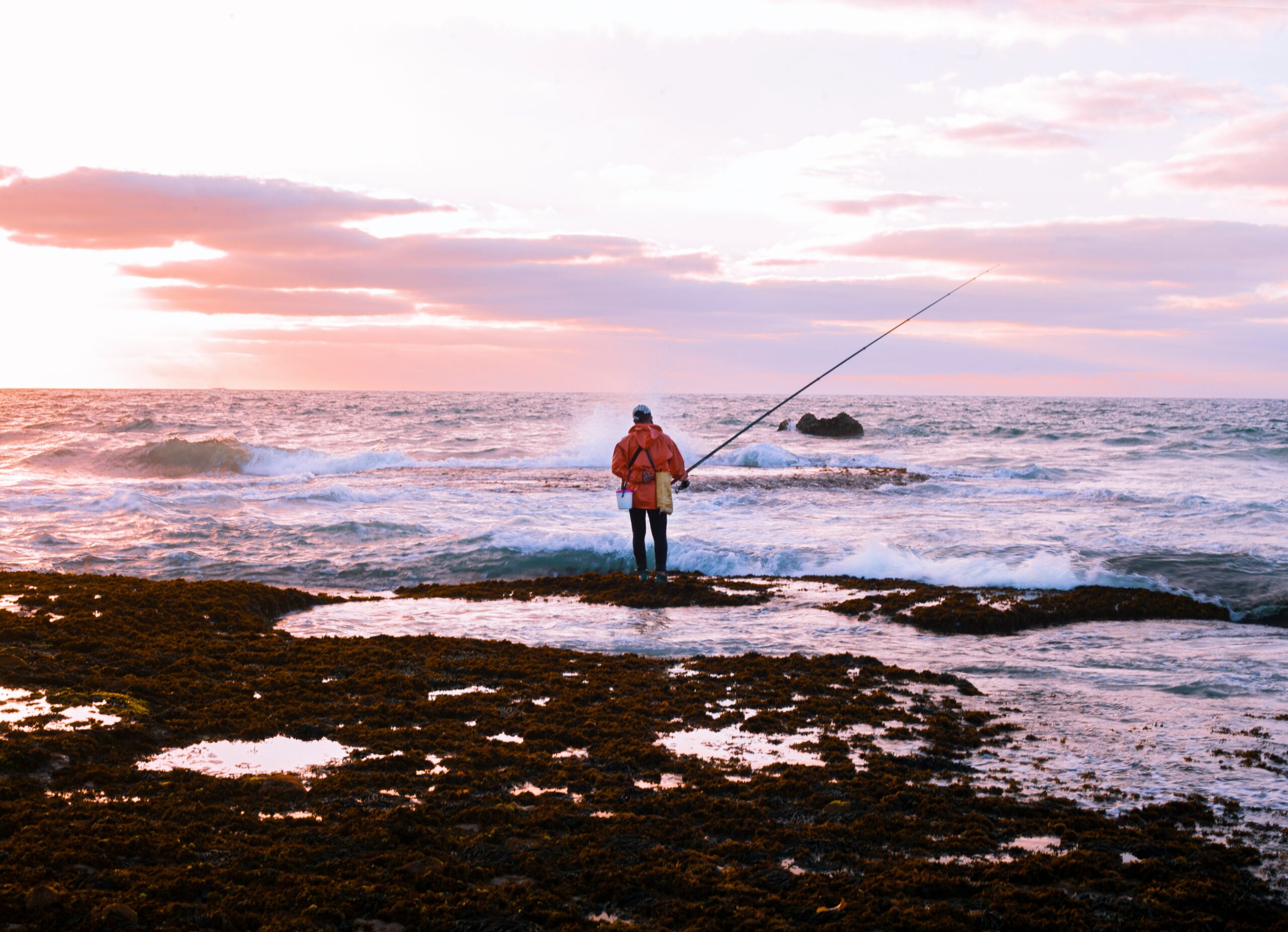
Saltwater fishing is an exciting and dynamic outdoor pursuit that challenges anglers with constantly changing conditions and a wide variety of species. Unlike freshwater fishing, where environments tend to be more predictable, the ocean introduces variables such as tides, currents, wind shifts, and salinity levels. These factors influence fish behavior in real time, making preparation and adaptability essential for consistent success. Whether fishing from a rocky shoreline, a bustling pier, or heading offshore, understanding the basics can significantly improve your experience.
In addition, saltwater environments demand more durable equipment and smarter decision-making. Fish species in these waters are often stronger, faster, and more aggressive, requiring anglers to refine both technique and gear selection. With the right approach, however, saltwater fishing becomes not only productive but also highly rewarding, offering the chance to target everything from coastal game fish to deep-water predators.
Choosing the Right Saltwater Fishing Gear
Selecting proper gear is one of the most important steps in building a successful saltwater fishing setup. A medium-heavy or heavy-action rod is typically recommended because it provides the strength needed to handle powerful fish species. These rods also offer better leverage when fighting fish near structures such as reefs or pilings, where line abrasion is more likely.
Reels are equally important, and spinning reels with high drag capacity are especially popular among saltwater anglers. Corrosion resistance is critical, since saltwater quickly damages poorly protected components. As a result, many experienced anglers invest in reels made from sealed or marine-grade materials to extend performance and lifespan.
Line choice also plays a significant role in overall effectiveness. Braided line is often preferred due to its sensitivity and high strength-to-diameter ratio, allowing anglers to detect subtle bites even in deeper water. However, pairing it with a fluorocarbon leader improves invisibility and abrasion resistance, which is particularly useful when targeting wary fish around rocky or structured environments.
Beyond the basics, small gear additions can make a noticeable difference. Quality hooks, sinkers, and swivels help maintain presentation and reduce line twists. Together, these components create a reliable system capable of handling the demanding conditions of saltwater fishing.
Selecting Effective Baits and Lures for Saltwater Species
Bait selection is a major factor in attracting saltwater fish, and live bait remains one of the most reliable options. Species such as shrimp, squid, mullet, and small baitfish are widely used because they naturally produce scent trails and movement that predators find difficult to ignore. Additionally, live bait is versatile and can be used in both shallow and deep-water environments.
However, artificial lures provide an excellent alternative, especially for anglers who prefer more active fishing techniques. Soft plastics, metal jigs, and surface plugs can effectively mimic the movement of injured or fleeing prey. When retrieved correctly, these lures can trigger aggressive strikes, particularly from predatory fish species that rely on speed and reaction.
Transitioning between bait types is often necessary depending on conditions. For example, in murky water, stronger-scented live bait may outperform artificial lures, while in clear water, realistic lure action may be more effective. Adjusting your strategy based on fish behavior and water clarity can significantly improve your success rate.
Furthermore, experimenting with hook size and bait presentation can refine your results. Sometimes a subtle adjustment, such as changing the depth or slowing down retrieval speed, can be the difference between no bites and consistent action.
Understanding Tides, Currents, and Water Movement
Tides are one of the most powerful forces influencing saltwater fishing success. Fish activity often increases during moving tides because currents bring food sources into feeding areas. Incoming tides tend to push baitfish toward shore, while outgoing tides can concentrate them in channels and deeper pockets.
As a result, timing your fishing trips around tide schedules can greatly improve your chances of finding active fish. Many anglers plan their outings specifically around tidal movement rather than clock time, since fish behavior is closely tied to water flow rather than daylight alone.
In addition to tides, mastering ocean currents, water structure, and underwater terrain is essential for successful saltwater fishing with the right fishing gear. Areas where strong currents intersect, slow down, or shift direction often create high-probability fishing hotspots and natural feeding zones. These current breaks, rips, and eddies concentrate baitfish, attracting larger predatory species. As a result, these transition points become prime ambush locations where game fish actively hunt and feed, making them key targets for anglers seeking consistent catches using properly selected rods, reels, and fishing gear setups.
Moreover, visual cues in the environment can help identify productive areas. Diving birds, breaking bait schools, and sudden ripples on the water’s surface often signal feeding activity below. Learning to recognize these signs allows anglers to position themselves more effectively and respond quickly to active fish movement.
Core Saltwater Fishing Techniques That Work Consistently
Successful saltwater fishing often depends on technique rather than luck. One of the most effective approaches is varying your retrieval style until you find what triggers strikes. A steady retrieve may work at times, while other situations require a stop-and-go or erratic motion to imitate injured prey.
Casting accuracy is also important, especially when targeting structure-heavy areas. Fish often gather near rocks, piers, submerged ledges, or coral formations, where food is more abundant. Landing your bait close to these zones increases your chances of encountering active feeders.
Additionally, adjusting lure depth can significantly influence results. Some fish feed near the surface, while others stay closer to the bottom depending on temperature, light, and tide movement. Using weighted rigs or sinking lures helps you reach the right depth consistently.
Finally, patience plays a major role in technique. Rather than repeatedly changing locations too quickly, spending time adjusting presentation in one productive area can often yield better long-term results. Subtle changes in angle, speed, or bait type can unlock bites from otherwise inactive fish.
Safety Measures and Responsible Fishing Practices
Safety should always be a top priority when fishing in saltwater environments. Conditions can change quickly, especially offshore, so checking weather forecasts and wave conditions before heading out is essential. Wearing a life jacket on boats and carrying communication devices adds an extra layer of protection in case of emergencies.
In addition, being aware of your surroundings is critical. Slippery rocks, strong currents, and sudden waves can create hazardous situations, particularly along shorelines and jetties. Using proper footwear and maintaining stable footing helps reduce the risk of accidents.
Responsible fishing practices are equally important for maintaining healthy ocean ecosystems. Following local fishing regulations, including size limits and seasonal restrictions, ensures that fish populations remain sustainable. Practicing catch and release when appropriate also helps preserve breeding stocks for future seasons.
Proper disposal of fishing line and hooks is another important responsibility. Abandoned gear can harm marine life and disrupt ecosystems. By minimizing environmental impact, anglers contribute to long-term conservation and healthier fisheries.
Practical Tips to Improve Your Saltwater Catch Rate
Improving catch rates often comes down to observation and adaptability. Small changes, such as switching lure color, adjusting weight, or altering retrieval speed, can have a surprising impact on results. Fish may respond differently throughout the day depending on light levels and feeding patterns.
In addition, learning to read water conditions more effectively can help identify high-probability fishing spots. Areas with structure, depth changes, or strong bait presence usually attract more fish activity. Spending time scouting these zones before casting can lead to more productive sessions.
Another useful strategy is mobility. If one area becomes inactive, moving along the shoreline or shifting positions on a boat can reveal new feeding zones. Fish often travel in schools, so finding one active pocket can lead to multiple catches.
Ultimately, consistency and experimentation are key. The more time spent refining techniques and understanding ocean behavior, the more predictable your results become. Over time, these small improvements add up to significantly better fishing success and more enjoyable experiences in the ocean environment and on the water.