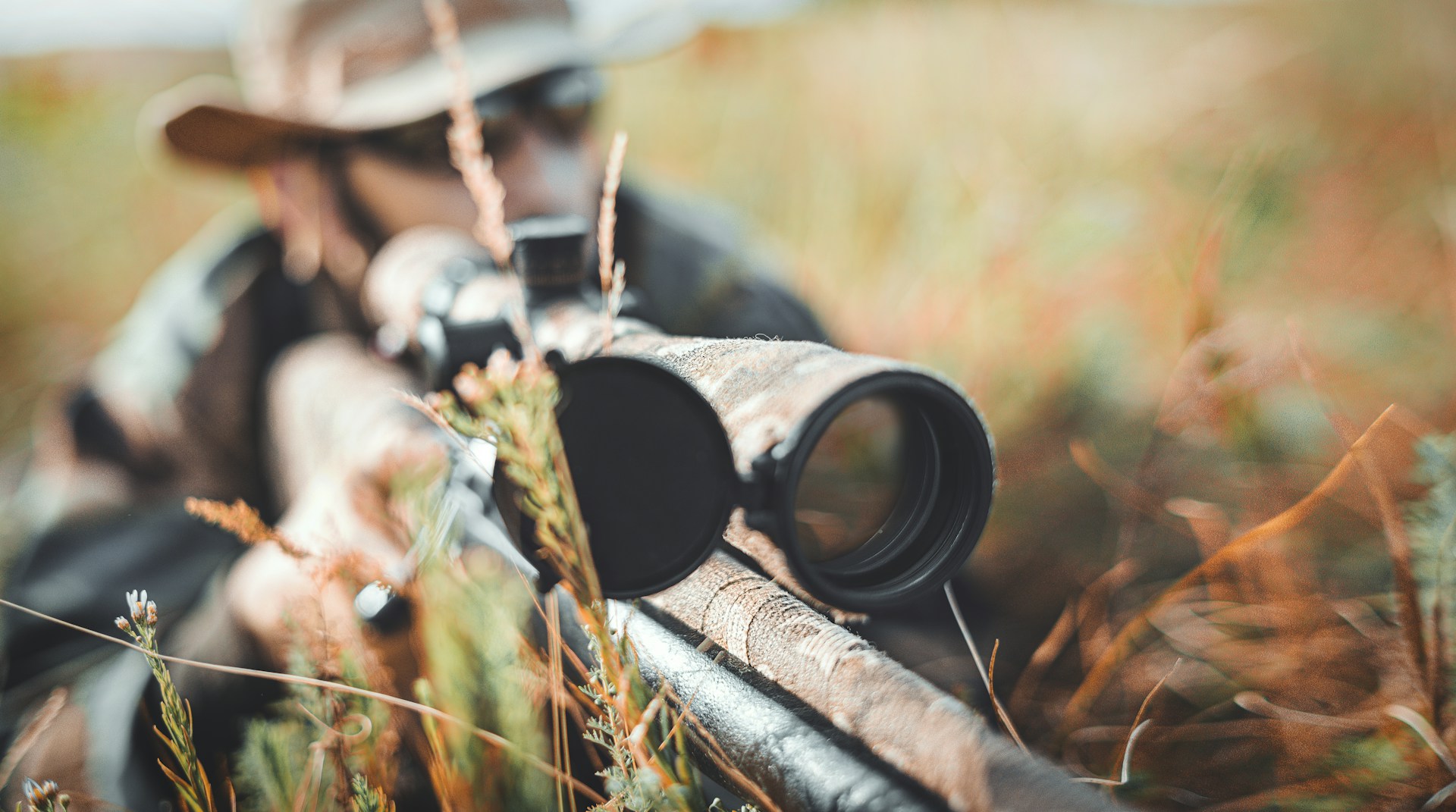
Starting a hunting journey can feel exciting and challenging at the same time. New hunters often wonder where to begin, what skills they need, and how to prepare for time outdoors. Learning the basics before entering the field helps create safer and more rewarding experiences. A strong foundation in first-time hunting preparation allows beginners to build confidence while respecting wildlife, conservation practices, and hunting traditions.
Understanding the Basics Before Your First Hunt
Before heading into the woods, beginners should learn how hunting works and why preparation matters. Hunting is not only about finding game. It requires patience, awareness, knowledge of animal behavior, and respect for the environment. Therefore, new hunters should spend time learning about local wildlife, seasonal regulations, and ethical hunting practices.
Additionally, understanding the purpose of hunting helps beginners appreciate its role in conservation. Responsible hunters follow guidelines that help maintain healthy wildlife populations and protect natural habitats. By learning these principles early, new hunters can develop habits that support both safety and environmental responsibility.
Choosing the Right Equipment for a Successful Start
Having the right gear can make a major difference during a first hunting experience. Beginners do not need every available tool, but they should invest in reliable equipment that matches their hunting style and location. Proper clothing, safety equipment, and basic hunting supplies can help create a more comfortable and effective outing.
Moreover, learning how to use equipment before a hunt is just as important as buying it. New hunters should practice handling their firearm or bow, understand safety features, and become familiar with essential tools. This preparation helps reduce mistakes and allows beginners to focus more on learning while they are outdoors.
Learning Safety Rules and Responsible Hunting Behavior
Safety should always remain the highest priority for anyone entering the hunting world. Beginners need to understand firearm safety, proper handling techniques, and the importance of knowing their surroundings. Even experienced hunters continue practicing safety because careful habits protect everyone in the field.
Furthermore, responsible behavior extends beyond personal safety. Hunters should respect private property, follow wildlife laws, and avoid actions that could harm the environment. These choices help protect hunting opportunities for future generations while creating a positive image of the hunting community.
Developing Skills Through Practice and Education
Successful hunters build their abilities over time. New hunters should focus on learning tracking, scouting, navigation, and outdoor awareness before expecting immediate success. Spending time outdoors and observing wildlife behavior can teach valuable lessons that cannot always come from reading alone.
In addition, beginners can improve faster by learning from experienced hunters. Joining local hunting groups, attending training courses, or spending time with a mentor can provide guidance and practical knowledge. These experiences often help new hunters understand wildlife tracking techniques and develop better decision-making skills in real situations.
Preparing for Different Hunting Environments
Every hunting location presents unique challenges. A forest, field, mountain, or wetland environment requires different approaches, equipment choices, and preparation methods. Beginners should research their chosen area carefully and understand the terrain before planning a hunt.
Also, weather conditions can strongly influence a hunting experience. Cold temperatures, rain, wind, and changing conditions can affect comfort and safety. Because of this, new hunters should always prepare for unexpected situations and carry necessary supplies to handle changes in the environment.
Understanding Hunting Regulations and Conservation
Following hunting regulations is a key responsibility for every hunter. Rules about seasons, licenses, permitted equipment, and harvest limits exist to protect wildlife and maintain balanced ecosystems. Beginners should always review current requirements before planning a trip.
Besides following laws, hunters contribute to conservation efforts in many ways. License fees, habitat programs, and wildlife management projects often receive support from hunting activities. As a result, responsible hunting can play an important role in protecting natural areas and preserving wildlife populations.
Building Confidence Through Experience and Patience
Confidence does not develop overnight. New hunters often need multiple outings before they feel comfortable reading signs, moving quietly, and making good decisions. Each experience provides a chance to learn something new and improve future skills.
Additionally, patience is one of the most valuable qualities a hunter can develop. The outdoors does not always provide immediate results, and successful hunts often require careful observation and persistence. Beginners who focus on learning instead of rushing the outcome usually build stronger skills over time.
Creating a Positive Future in the Hunting Community
A beginner’s journey becomes more meaningful when it includes respect, learning, and connection with others. Through ethical outdoor practices, new hunters can become responsible members of the hunting community while supporting conservation and wildlife protection. The lessons gained from early experiences often shape how hunters approach the outdoors for years.
As more people learn about responsible hunting, the future of the sport becomes stronger. Beginners who take time to prepare, practice, and respect nature can enjoy rewarding experiences while helping preserve outdoor traditions. Hunting is a lifelong learning process, and every new hunter has the opportunity to grow with each adventure.