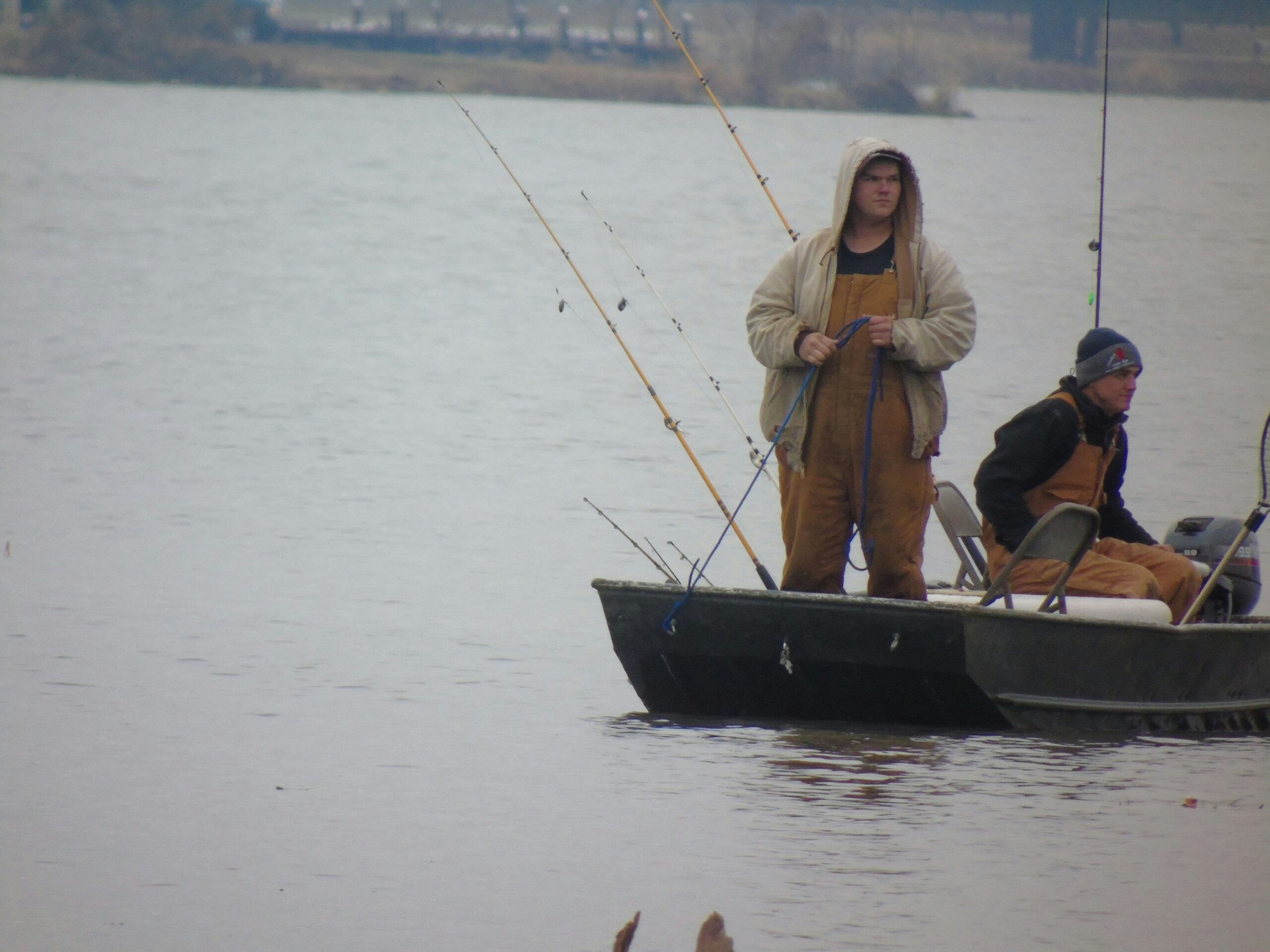
Freshwater fishing is one of the most relaxing and rewarding outdoor activities. Whether you are fishing from the shore, standing in a small boat, or exploring a quiet lake, freshwater fishing offers anglers a chance to enjoy nature while learning valuable skills. With the right equipment, techniques, and knowledge, beginners can quickly gain confidence on the water. This guide covers essential freshwater fishing techniques and practical tips to help anglers improve their experience and catch more fish.
Understanding Freshwater Fishing
Freshwater fishing takes place in lakes, ponds, rivers, streams, and reservoirs where the water contains little salt. These environments support many popular fish species, including bass, trout, crappie, bluegill, catfish, and walleye. Each species behaves differently, so understanding the water and the fish you are targeting can make a major difference.
Before fishing, take time to study the location. Look for areas with underwater structures, vegetation, rocks, fallen trees, or changes in water depth. Fish often gather around these areas because they provide food and protection.
Choosing the Right Fishing Gear
Having suitable fishing gear makes freshwater fishing easier and more enjoyable. A basic setup usually includes a fishing rod, reel, fishing line, hooks, sinkers, bobbers, and lures or live bait. Beginners should choose a rod and reel that match the type and size of fish they plan to catch.
A medium-light or medium spinning setup is a versatile choice for many freshwater situations. It is easy to handle and works with different lures and bait. Choosing the right fishing line is also important. Lighter line works well for smaller fish, while stronger line is useful when targeting larger species.
Selecting Effective Bait and Lures
Bait selection can strongly influence your fishing success. Live bait such as worms, minnows, and insects can be highly effective because they naturally attract many freshwater species. Artificial lures are another popular option and allow anglers to imitate the movement and appearance of natural prey.
Soft plastic worms are widely used for bass, while small jigs can work well for crappie and other panfish. Spinnerbaits and crankbaits can help cover larger areas when fish are actively feeding. The best choice often depends on the species, weather, water clarity, and time of day.
Mastering Basic Casting Techniques
Casting is one of the most important skills for freshwater anglers. A simple spinning reel is often the easiest option for beginners because it is straightforward to operate and works with many types of tackle.
Practice casting in an open area before heading to the water. Focus on accuracy rather than distance. Try placing your lure near structures where fish may be hiding. As your control improves, you can gradually increase your casting distance.
Another useful technique is pitching or flipping, which allows anglers to place a lure quietly near vegetation, docks, or fallen trees. These techniques can be especially useful when targeting fish that stay close to cover.
Learning How Fish Behave
Successful anglers pay attention to fish behavior. Water temperature, weather, sunlight, food availability, and seasonal changes can all affect where fish move and feed. During warmer months, fish may move into deeper or shaded water during the hottest part of the day.
Early morning and late afternoon are often productive periods because fish may be more active. However, conditions vary by species and location. Paying attention to what happens during each fishing trip can help you recognize patterns over time.
Improving Your Fishing Technique
Patience is one of the most important qualities in freshwater fishing. Avoid constantly changing locations without giving an area enough time. Instead, try different depths, retrieve speeds, and lure movements to determine what attracts fish.
Keep your movements controlled when retrieving a lure. Some fish respond to a slow and steady presentation, while others prefer faster or irregular movement. Experimenting with different techniques can help you discover what works under current conditions.
It is also useful to keep simple notes about your trips. Record the location, weather, water conditions, bait, lure, and species caught. Over time, these observations can help you understand local fishing patterns.
Practicing Safe and Responsible Fishing
Safety should always be part of every freshwater fishing trip. Wear appropriate clothing, watch for changing weather, and use a properly fitted life jacket when fishing from a boat. Store hooks, knives, and other sharp equipment safely when you are not using them.
Responsible fishing also protects waterway health and fish populations. Follow local fishing regulations, respect size and catch limits, and release fish carefully when practicing catch and release. Avoid leaving fishing line, bait containers, or other waste near the water.
Building Confidence on the Water
Freshwater fishing becomes more enjoyable as anglers gain experience. Do not worry if your first few trips produce limited results. Every outing offers a chance to learn something new about casting, bait selection, fish behavior, and water conditions.
Start with simple techniques and a familiar fishing location. As your skills improve, experiment with new lures, fishing environments, and presentation styles. Talking with experienced anglers can also provide useful local knowledge.
Freshwater fishing is ultimately about more than catching fish. It is a way to spend time outdoors, observe nature, and develop skills through practice. With the right gear, thoughtful preparation, patience, and a willingness to learn, anglers of all experience levels can enjoy productive and memorable days on the water.