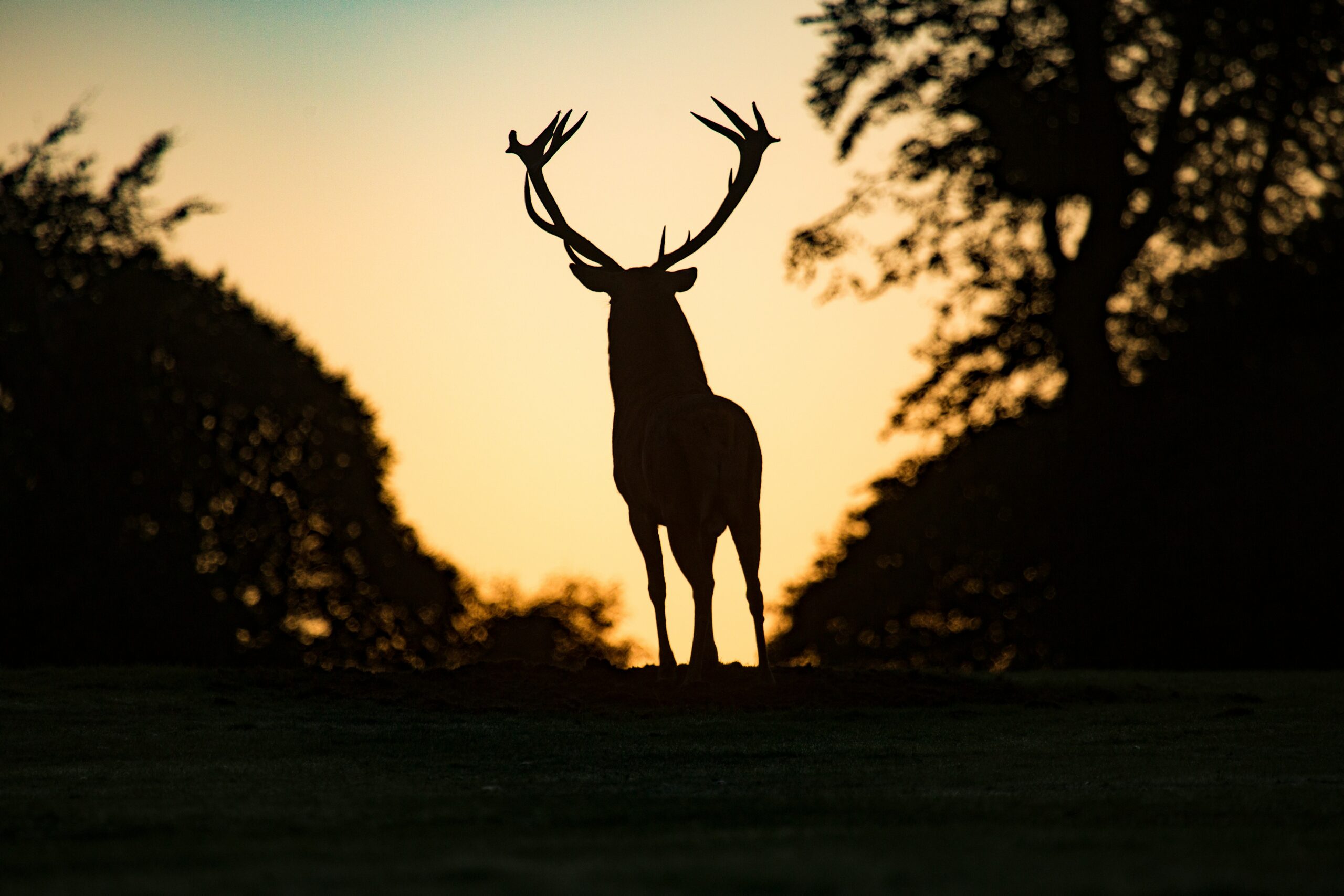
Deer hunting rewards patience, preparation, and careful observation more than almost anything else. Successful hunters learn how deer use the landscape, how weather changes movement, and how human pressure affects daily behavior. Improving your deer hunting skills also means becoming more disciplined about scouting, positioning, and making responsible decisions in the field. When these habits work together, you can increase your chances of seeing mature deer while becoming a more thoughtful and effective hunter.
Learn How Deer Use Their Habitat
Understanding deer habitat is one of the most important skills you can develop. Deer rarely move randomly. They travel between bedding areas, feeding locations, water sources, cover, and seasonal gathering areas using routes that offer security.
Begin by studying the land before hunting it. Look for areas where thick cover meets open feeding ground. Creek bottoms, wooded ridges, brushy edges, and narrow travel corridors can all influence deer movement. Mature bucks often prefer routes that allow them to stay close to cover, especially during daylight.
Tracks, droppings, rubs, trails, and bedding signs can help you understand how frequently deer use an area. However, one sign by itself does not tell the whole story. A heavily used trail may contain mostly nighttime activity, while a faint trail closer to bedding cover could offer better daytime opportunities.
The goal is to combine multiple clues instead of depending on a single piece of evidence.
Improve Your Scouting Before the Season
Good scouting reduces guesswork once the season begins. Instead of wandering through the woods hoping to find deer, you can enter the field with a better understanding of where animals are likely to travel.
Start with maps and aerial images. Identify wooded funnels, field corners, creek crossings, elevation changes, and narrow strips of cover connecting larger habitat areas. These natural features can concentrate deer movement.
Next, confirm what you see on the map by observing the property. Look for fresh sign and compare different areas. Pay attention to how old the evidence appears and whether several types of deer activity occur in the same location.
Trail cameras, where legal, can also help hunters learn general movement patterns without spending excessive time in sensitive areas. They are most useful when treated as one source of information rather than a guarantee of future deer activity.
Strong scouting also means knowing when to stop. Entering bedding cover too often can spread scent, disturb deer, and change their movement before you ever hunt the area.
Pay Close Attention to Wind Direction
Wind can influence almost every hunting decision. Deer rely heavily on scent to detect danger, so a promising location can quickly become unproductive if your scent reaches the animals before they arrive.
Before heading into the field, check the expected wind direction and think about where deer are likely to approach from. Your access route matters just as much as your hunting location. Walking through a travel corridor or allowing your scent to blow into bedding cover may reduce your chances before the hunt even begins.
This is where experienced hunters often separate themselves from beginners. Good deer tactics involve choosing locations that match current conditions instead of hunting the same place simply because it produced deer in the past.
Thermal air movement can matter as well. Air often rises as temperatures warm and settles as conditions cool. Terrain can make these patterns more complicated, especially around valleys, hillsides, and creek systems. Spending time observing how air moves across your hunting area can make you much more aware of how scent travels.
Keep Your Entry and Exit Routes Quiet
Many hunters focus entirely on where they plan to sit and overlook how they get there. Yet deer can notice noise, movement, and scent long before the hunt officially begins.
Choose access routes that avoid major feeding areas, bedding cover, and commonly used trails whenever possible. Use terrain, vegetation, and existing paths to remain less noticeable. Moving carefully also helps you observe more wildlife on the way to your destination.
Your exit matters too. If deer gather near a feeding area after dark, walking directly through that area can disturb them and affect future movement. Sometimes a longer route away from active deer habitat is the better choice.
Repeated disturbance can teach mature deer to avoid certain locations during daylight. For that reason, low-impact access should become part of your overall hunting plan.
Understand Seasonal Deer Behavior
Deer behavior changes throughout the year, which means a location that works early in the season may become less productive later.
During early seasons, food can strongly influence movement. Deer often follow predictable patterns between secure bedding areas and dependable food sources. As natural food availability changes, their preferred locations may change as well.
Breeding season behavior can create different patterns. Bucks may travel farther and appear in areas where they were rarely seen earlier. However, increased hunting pressure can also make deer more cautious.
Later in the season, survival and energy conservation become major priorities. Deer often seek dependable food, protection from harsh conditions, and secure cover. Understanding these seasonal changes helps you adjust instead of relying on the same strategy all year.
Observe More and Move Less
Patience is one of the simplest ways to improve your hunting skills. Hunters sometimes leave productive areas because they have not seen deer for a short period. However, wildlife activity can change quickly.
Remaining still and observant gives you a better chance to notice subtle movement. A flicking ear, horizontal line through the trees, or slight change in the brush may reveal a deer that would otherwise remain hidden.
Careful observation also teaches you about the entire area. You may notice which trails deer prefer, what direction they enter a feeding area, or how they react to weather changes.
These small lessons become valuable over time. Instead of treating each hunt as an isolated event, view every trip as another opportunity to understand deer behavior.
Use Hunting Pressure to Your Advantage
Hunting pressure can dramatically change deer movement. Mature animals often respond quickly when people begin entering the woods more frequently.
Some deer move toward thicker cover, while others shift their travel closer to darkness. They may also begin using overlooked pockets of habitat that receive less human activity.
Rather than automatically following other hunters into the most obvious locations, consider quieter areas that still provide food, cover, or travel opportunities. Small patches of vegetation, difficult terrain, and secondary travel routes may become more important as pressure increases.
The key is not simply finding a place where nobody hunts. The location still needs to fit normal deer behavior. Low pressure becomes valuable when it overlaps with habitat deer already want to use.
Practice Responsible Shot Selection
Seeing a mature deer can create excitement, but good hunters remain disciplined. Responsible shot selection starts with knowing your equipment, understanding your personal ability, and recognizing when conditions are not appropriate.
Regular practice can build confidence and consistency. Hunters should understand how they perform from realistic field positions rather than assuming that success during ideal practice conditions will automatically transfer to the woods.
Patience is especially important when an animal does not provide a clear opportunity. Passing on a poor situation can be difficult, but ethical hunting requires putting responsible decisions ahead of excitement.
A successful hunt should never depend on forcing an uncertain opportunity.
Become Better at Reading Fresh Sign
Not all deer sign has equal value. Learning to estimate whether tracks, rubs, droppings, or disturbed vegetation are fresh can help you focus your attention.
Fresh tracks may have sharper edges, while older tracks can become softened by weather. Newly disturbed leaves may look different from surrounding ground. Rubs and other seasonal signs can also offer clues about recent activity.
Still, avoid assuming that one fresh sign means a mature buck will appear immediately. Look for patterns. Several fresh indicators concentrated around a travel route can provide stronger evidence than one isolated track.
Reading sign becomes easier with experience. The more time you spend studying known deer activity, the better you become at recognizing what recent movement looks like.
Adapt Instead of Becoming Attached to One Spot
One common mistake is returning to the same location repeatedly because it once produced a good encounter. Deer movement changes with food availability, weather, seasonal behavior, and hunting pressure.
Keep notes about your observations. Record wind direction, temperature, visible deer activity, fresh sign, and any changes in habitat use. Over time, these records can reveal useful patterns.
Successful hunting deer often requires adjusting your expectations instead of waiting for yesterday’s pattern to return. A flexible hunter responds to current evidence while still respecting the need to avoid unnecessary disturbance.
Focus on Consistency and Ethical Hunting
Improving your skills is not about discovering one secret technique. It comes from consistently making better decisions about scouting, access, wind, patience, habitat, and animal behavior. The more carefully you observe deer hunting conditions, the easier it becomes to recognize useful patterns and avoid repeating mistakes.
Mature deer can be challenging because they have survived by responding to danger and changing conditions. Staying patient, respecting local laws, and making ethical decisions will help you become a more capable hunter over time. Consistent preparation and responsible judgment ultimately matter more than any shortcut.