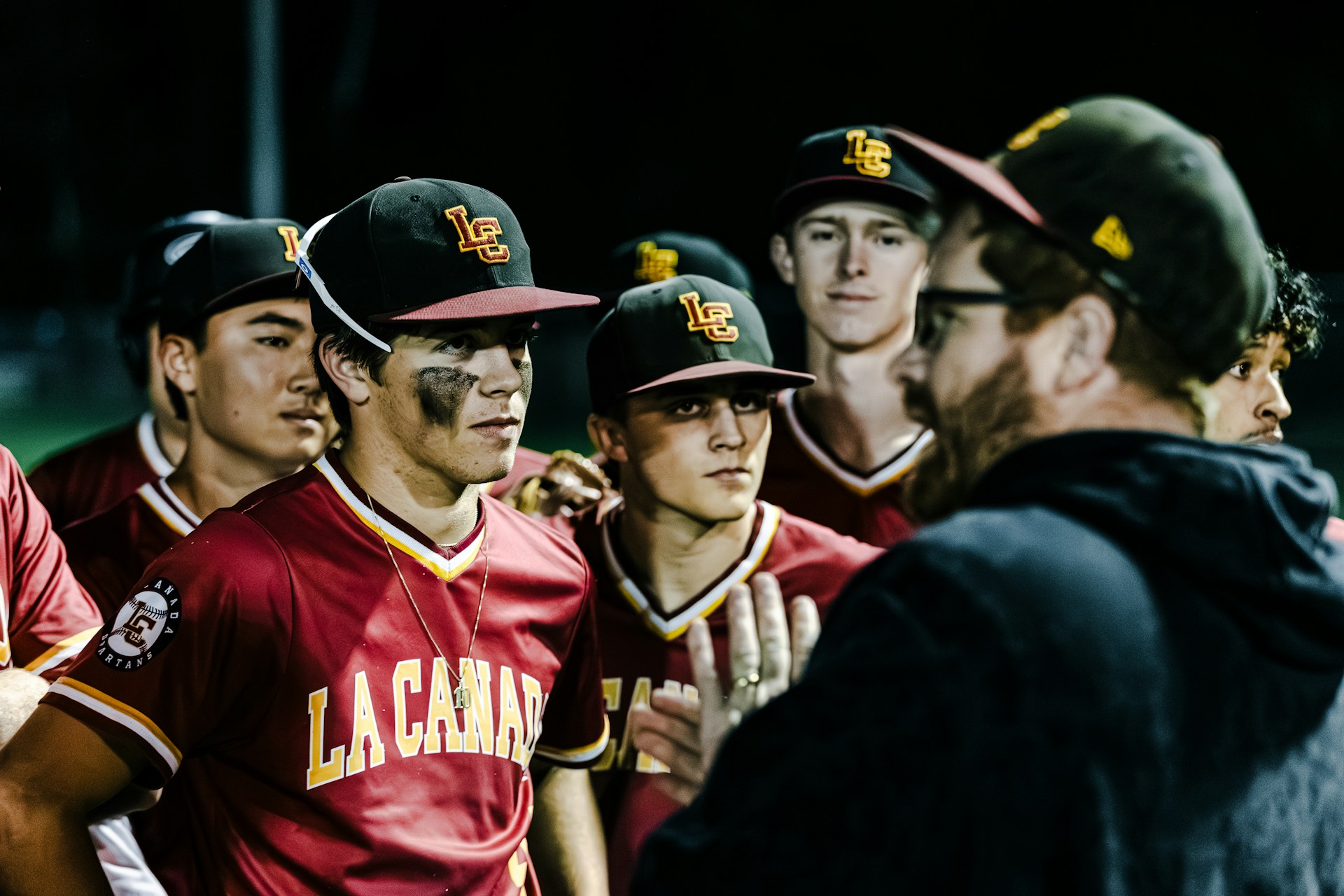
Travel baseball asks young athletes to spend long hours practicing, competing, and traveling together. Skill matters, but talent alone does not create a successful group. Players also need trust, communication, and a sense of belonging. That is why travel baseball team bonding should become a regular part of every team’s season. When players connect away from game pressure, they often communicate better and support each other more naturally on the field.
Coaches and parents do not need expensive events to create strong relationships. In fact, simple activities often work best because they give players time to talk, laugh, and learn about one another. Whether a team has a small budget or more resources, the goal remains the same. Every player should feel valued and connected to the group.
Creating Trust Before the First Pitch
Team chemistry should begin before tournament pressure builds. Early practices provide a great chance for players to learn names, personalities, positions, and communication styles. Therefore, coaches can use short activities at the start of the season to help everyone feel more comfortable.
One useful approach is to pair players who do not know each other well during warmups. Partners can complete throwing drills, stretching routines, or simple fielding exercises together. Coaches can switch the pairs every few practices so players build connections throughout the roster rather than staying with the same friends.
Short team conversations can also help. After practice, players might share one personal goal for the season or talk about a baseball skill they want to improve. These discussions do not need to feel formal. Instead, they should create a relaxed setting where teammates learn how they can encourage one another.
Turning Practice Into Shared Challenges
Regular practice already gives players time together, so coaches can use part of that time for cooperative challenges. Instead of making every drill about individual performance, they can create activities where the whole group works toward one result.
For example, the team might attempt to complete a set number of clean throws without an error. Another activity could challenge players to finish a defensive sequence within a target time. If the group succeeds, everyone wins. If it falls short, the players can discuss how to improve and try again.
These challenges help athletes see success as a shared effort. Moreover, they teach players that communication can improve performance. A short call from an infielder or clear direction from a catcher may help the entire group complete the task.
Coaches should keep the mood positive during these activities. Friendly competition can increase energy, but the focus should remain on teamwork rather than embarrassment or punishment. When challenges feel fun, players usually participate more freely.
Making Road Trips Part of the Experience
Travel is a major part of travel baseball. Teams may spend weekends driving to tournaments, staying in hotels, and waiting between games. Instead of viewing those hours as lost time, families can use them to strengthen relationships.
When possible, teammates can eat together after games or meet for a simple team breakfast. These meals give athletes time to talk about interests outside baseball. As a result, they often discover common hobbies, favorite music, school activities, or other interests.
Hotel stays can also create natural bonding opportunities. A team movie night, supervised card game, or casual gathering in a common area can give players something fun to share. However, coaches and parents should maintain clear rules so everyone gets enough rest before competition.
Even travel conversations can strengthen relationships. Players who spend most practices focused on baseball rarely get long periods to simply talk. Therefore, road trips can help turn teammates into genuine friends.
Using Friendly Games Away From the Diamond
Not every team-building activity needs a glove or bat. Sometimes stepping away from baseball gives players a mental break while allowing different personalities to shine.
Mini golf, bowling, swimming, basketball, or simple outdoor games can create a relaxed setting. Because baseball skill does not decide every result, different players may get a chance to lead or succeed. This variety can make the group feel more balanced.
Coaches can also organize low-cost activities at a park. Relay games, scavenger hunts, or team trivia can encourage players to work together. In addition, these activities can include siblings and families when appropriate, which helps build a wider sense of community.
Well-planned baseball bonding activities should focus more on interaction than winning. While a little competition can make activities fun, the main purpose is to create positive shared memories. Those memories often help teammates remain connected when the season becomes demanding.
Encouraging Better Player Communication
Strong teams communicate before, during, and after games. Yet communication does not develop automatically. Young players sometimes hesitate to speak up because they fear making a mistake or sounding awkward.
Coaches can create an environment where respectful communication becomes normal. During drills, players can practice calling for the ball, giving clear directions, and encouraging teammates after mistakes. As these habits become routine, they often carry into games.
Listening matters just as much as speaking. Players need to understand what coaches and teammates are saying without becoming defensive. Therefore, team activities can include simple problem-solving exercises where everyone has a chance to offer ideas.
Coaches also set the example. When adults communicate calmly and clearly, athletes are more likely to follow that pattern. On the other hand, constant criticism can make players afraid to speak. A supportive tone helps communication grow naturally.
Building Connections Through Team Traditions
Traditions can give a travel team its own identity. They do not need to be complicated. A simple routine before games, a team saying, or a fun postgame tradition can create a sense of unity.
For example, players might gather for a short team message before taking the field. After a win, they could recognize someone who showed great effort or sportsmanship. After a loss, they might still recognize a teammate who stayed positive and supported others.
Teams can also celebrate small milestones. A player’s first tournament hit, a great defensive play, or a strong pitching performance may deserve recognition. However, coaches should make sure praise includes more than statistics. Hustle, attitude, leadership, and effort matter too.
When traditions focus on positive behavior, they help players understand team values. Over time, athletes begin to feel that they belong to something bigger than their personal performance.
Helping Players Support Each Other Through Pressure
Travel baseball can create emotional highs and lows. Players may struggle with strikeouts, fielding errors, limited playing time, or tough tournament losses. During these moments, supportive teammates can make a major difference.
Coaches can teach athletes to respond to mistakes with encouragement rather than blame. A quick comment such as “you’ve got the next one” can help a teammate reset. Likewise, players can celebrate good effort even when the final result does not go their way.
Team discussions after difficult games can also help. Instead of focusing on one player’s mistake, coaches can ask what the group learned and what it can improve together. This approach helps reduce fear and keeps responsibility shared across the roster.
Parents also influence team culture. When adults remain respectful and avoid comparing players, they create a healthier environment. Therefore, coaches can explain team expectations to families early in the season so everyone supports the same values.
Turning Shared Moments Into Lasting Unity
The best youth baseball team chemistry often grows from simple moments that happen throughout a season. A shared meal, a funny road trip story, an encouraging word after an error, or a cooperative practice challenge can strengthen relationships. Coaches who make room for these experiences help players see teammates as people they can trust, not just athletes wearing the same uniform.
Strong team spirit does more than make travel baseball enjoyable. It can improve communication, effort, resilience, and the way players handle pressure together. Most importantly, athletes can leave the season with memories and friendships that matter long after the final tournament ends. When a team values connection as much as competition, every trip and every game can become part of a more rewarding baseball experience.