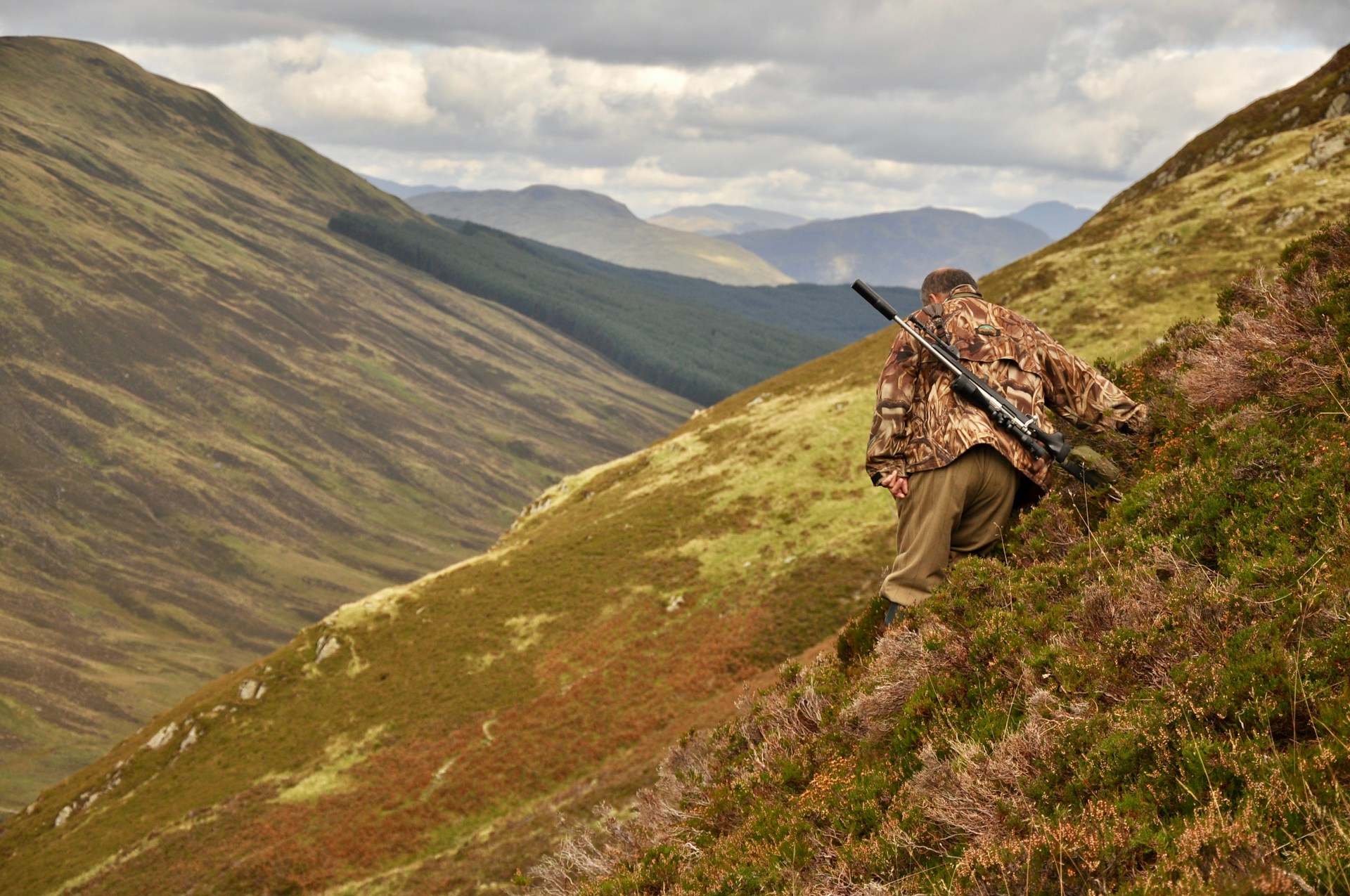
Every deer hunting season brings different challenges that test a hunter’s knowledge and experience. Improving your abilities requires dedication, careful preparation, and a genuine interest in wildlife. Developing effective big game skills can help you approach outdoor adventures with greater confidence. Mature bucks are fascinating animals with distinct physical and behavioral traits. Learning about these characteristics can make hunting a more educational experience. Hunters should understand that natural conditions change throughout the year. Food availability, habitat quality, and weather all affect deer populations. Spending time outdoors allows you to discover how these factors shape wildlife activity. Personal discipline also plays an important role in becoming a responsible hunter. Learning from difficult experiences can strengthen your judgment over time. Practical deer hunting techniques should always support safe and lawful outdoor activities. Setting realistic goals helps you remain motivated throughout the season. Each new experience offers a chance to expand your knowledge and develop lasting outdoor abilities.
Examine How Seasonal Changes Affect Deer Health
Deer experience several environmental changes as the seasons progress. Spring brings fresh plant growth that provides valuable nutrients for wildlife. Summer offers longer daylight hours and different feeding resources. Fall introduces cooler temperatures and changes in available vegetation. Winter can create difficult conditions because of freezing temperatures and limited food supplies. These seasonal differences influence the health and development of mature bucks. Hunters should learn how local weather patterns affect natural habitats. Studying regional wildlife reports can provide useful information about environmental conditions. Healthy deer populations depend on access to suitable resources throughout the year. Extended periods of extreme weather can place additional stress on these animals. Understanding these challenges helps hunters appreciate the importance of habitat protection. Knowledge of seasonal changes also supports a deeper understanding of deer biology. Hunters who study these natural processes can develop more realistic expectations about mature animals. This knowledge adds value to their overall outdoor experience.
Improve Your Ability to Read Natural Surroundings
Natural environments contain many interesting details that experienced outdoor enthusiasts learn to recognize. Different tree species can reveal information about local growing conditions. Changes in vegetation may reflect differences in soil quality and moisture levels. Streams and ponds provide important resources for many wildlife species. Hunters can improve their understanding of nature by learning to identify these features. Spending time in familiar outdoor areas offers excellent opportunities for observation. Developing dependable forest awareness skills can help individuals recognize environmental changes and potential safety concerns. Understanding natural landmarks also supports better orientation in wooded areas. Hunters should learn to recognize unstable ground and other common outdoor hazards. Paying attention to surrounding conditions encourages thoughtful decisions during challenging situations. Local nature guides can provide helpful information about regional plants and animals. Regular observation also helps hunters develop stronger concentration. These practical abilities become more valuable with continued experience. Learning to understand natural surroundings adds another useful dimension to traditional deer hunting techniques.
Balance Equipment Choices With Personal Comfort
Comfortable equipment can make extended hunting trips easier to manage. Hunters should choose products that match their physical needs and outdoor experience. Heavy equipment may cause unnecessary fatigue during long periods of activity. Lightweight clothing can provide greater comfort when temperatures remain moderate. Insulated garments offer additional protection during colder weather. Properly fitted boots help reduce discomfort when walking across uneven ground. Hunters should also consider how their backpacks distribute weight. Carrying essential supplies in a balanced manner can reduce strain on the shoulders. Waterproof containers help protect valuable belongings from moisture. Equipment should remain easy to use under different environmental conditions. Testing new products before a hunting trip can reveal possible problems. Hunters should avoid purchasing items simply because they are popular among other outdoor enthusiasts. Practical equipment choices often depend on individual preferences and specific needs. Regular maintenance helps preserve the condition of outdoor supplies. A comfortable equipment setup allows hunters to focus more attention on developing their abilities.
Build Greater Independence Through Outdoor Education
Outdoor education provides hunters with valuable knowledge that extends beyond basic hunting activities. Learning essential survival principles can improve confidence during unfamiliar situations. Hunters should understand how to respond to sudden weather changes and minor emergencies. Basic first aid training offers practical knowledge that can benefit everyone in an outdoor group. Learning to recognize signs of dehydration helps individuals maintain their physical well-being. Understanding local geography can also reduce confusion when visiting unfamiliar regions. Educational courses provide structured opportunities to develop these abilities. Hunters can improve their knowledge through books, workshops, and approved training programs. Practicing outdoor skills in safe environments helps establish dependable habits. Individuals should recognize the importance of asking for help when necessary. Greater independence does not mean ignoring personal limitations or taking unnecessary risks. Responsible hunters understand when professional guidance may be helpful. Developing a strong educational foundation supports more thoughtful decision-making. These lessons complement deer hunting techniques and remain useful during many other outdoor activities.
Understand How Selective Harvest Supports Wildlife Management
Wildlife management plays an important role in maintaining healthy deer populations across the United States. Conservation specialists study animal numbers, habitat conditions, and regional environmental challenges. Their research helps wildlife agencies establish suitable hunting regulations. These requirements may include harvest limits, seasonal restrictions, and licensing rules. Hunters should understand the purpose behind these management decisions. Mature bucks are part of a larger wildlife population that depends on healthy natural resources. Following local regulations helps support responsible population management. Learning about selective deer harvest provides useful insight into the relationship between hunting and conservation. However, management goals can differ between regions because of local environmental conditions. Hunters should consult official wildlife agencies for information about applicable requirements. Supporting habitat improvement projects can also benefit deer and other native animals. Respecting natural areas helps maintain the resources that wildlife needs throughout the year. Experienced hunters can encourage responsible behavior by sharing accurate information with beginners. Understanding wildlife management adds greater meaning to outdoor recreation. Hunters who continue learning about conservation can contribute to healthier ecosystems and preserve valuable hunting traditions.