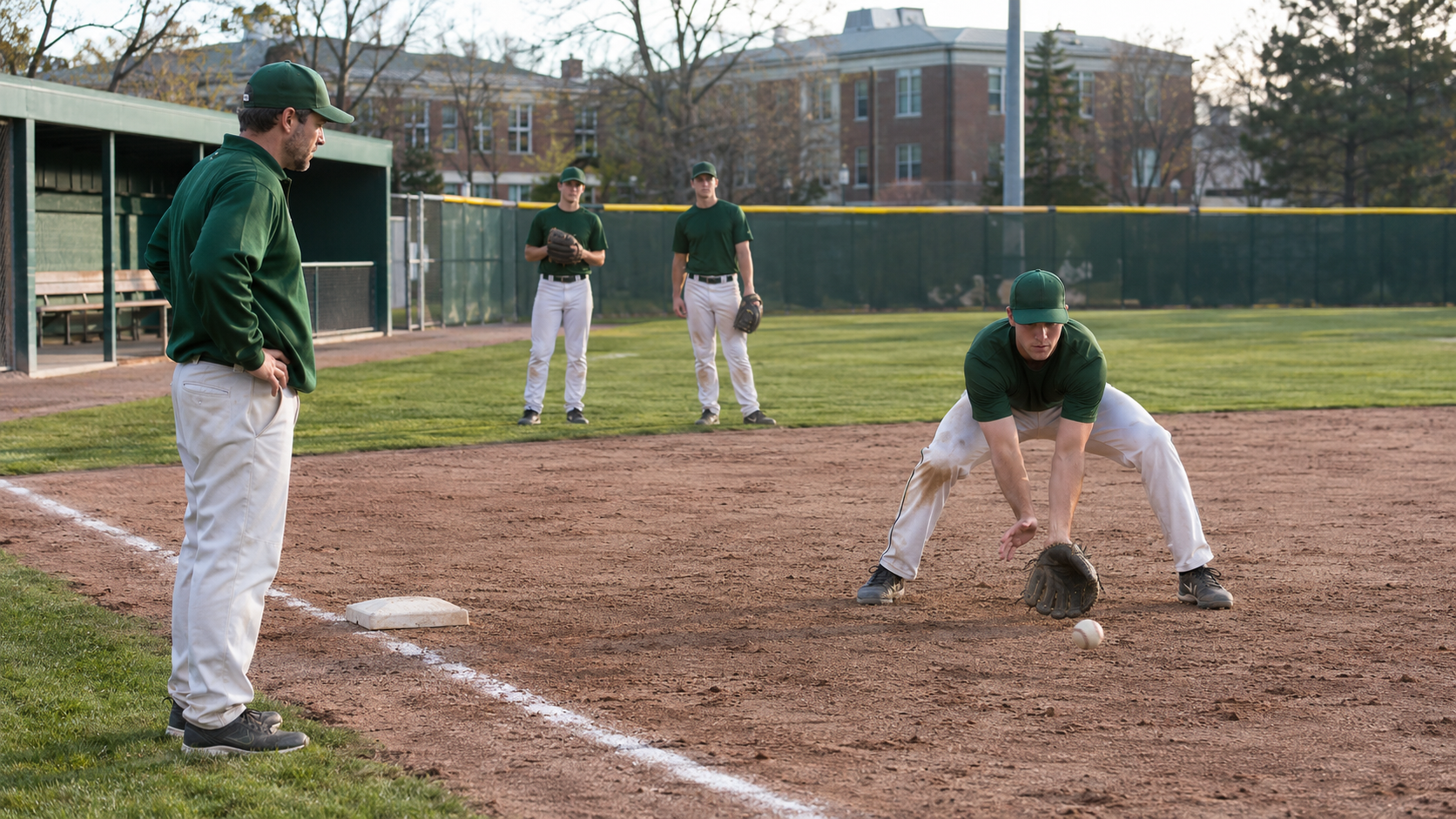
The first season of a college baseball program can expose problems that enthusiasm alone cannot solve. A practice runs late, two coaches give different instructions, and an inexperienced roster struggles to recover after a difficult inning. However, developing a winning college baseball program starts with making those problems easier to identify and address. Coaches need a workable plan for recruiting, teaching, and daily operations. Players need to understand their responsibilities. Progress begins when everyone can connect the expectations they hear with the work they actually do.
Set Priorities the Team Can Act On
First, decide what the opening season must establish beyond a target number of wins. A new staff might prioritize dependable defensive communication, organized practices, and clear routines for road trips. Choose goals the team can influence and explain how coaches will evaluate them. A broad promise to compete harder offers little direction. A specific expectation, such as knowing coverage responsibilities before a play begins, gives players something they can prepare for and staff members something they can teach consistently.
Next, test those priorities against the resources available. Review field access, staff time, travel costs, equipment, and arrangements for poor weather. Ask which problems could interrupt the team’s preparation and address those first. A reliable indoor backup may matter more immediately than an expensive training device. Share the plan with athletics administrators and clarify who approves spending. Building around confirmed support allows coaches to make realistic commitments rather than depend on upgrades that may never arrive during the season.
Build a Roster With Clear Opportunities
Meanwhile, map the roster by position, experience, and likely development needs. A strong group of hitters will still need catching depth, dependable defensive coverage, and pitchers whose roles the staff understands. Look beyond the most impressive performance in a single evaluation. Consider whether a prospect can adjust to instruction and whether the institution offers an academic environment that suits them. Recruiting should give players an accurate picture of the opportunity, including uncertainty about playing time and the work required to improve.
Similarly, explain roles without suggesting they can never change. A reserve player should know what preparation the staff expects and how coaches make lineup decisions. A starter should understand that performance, preparation, and team needs remain relevant throughout the season. Schedule individual conversations instead of relying on announcements in front of teammates. When a role changes, explain the reason and the next steps. Clear communication cannot remove every disappointment, but it can keep uncertainty from becoming the main source of frustration.
Design Practice Around Decisions and Execution
Beyond assembling the roster, purposeful college baseball practice needs a clear link between each activity and a game situation. If players struggle to execute a relay, design repetitions that require the correct positioning, communication, and throw. Do not assume that running the drill automatically teaches the skill. Explain the objective, observe the attempt, and give feedback the player can use on the next repetition. Keep stations organized so athletes spend more time practicing and less time waiting for instructions.
For example, a staff could introduce a defensive situation slowly, confirm that players understand their responsibilities, and then increase the pace. After a mistake, ask what the player saw before prescribing a correction. The problem may involve a late decision rather than poor throwing mechanics. Coaches can use video when it clarifies that distinction, but equipment should support instruction. A simple observation followed by a useful adjustment can accomplish more than collecting information nobody has time to interpret.
Coordinate the People Supporting the Players
At the same time, create a staff language that players can follow. If one coach uses a phrase differently from another, athletes may receive conflicting messages while both coaches believe they are being clear. Discuss teaching terms and major priorities before practice. Assign responsibility for planning each area, then compare observations during staff meetings. Assistants should have room to contribute without forcing players to sort out disagreements. Resolve differences privately and return with an explanation the whole staff can support.
However, coordination must extend beyond the coaching office. Establish contacts in academic advising, athletic training, facilities, and travel services. Players should know where to seek help and whom to notify when schedules conflict. The NCAA describes academic assistance and health resources as parts of the student-athlete experience. Coaches should support access to those services while leaving specialized decisions to the appropriate professionals. A workable program depends on campus partners, and treating their time respectfully helps those relationships function during busy periods.
Turn Each Season Into Better Preparation
Over time, use games to test what practice is producing. Review recurring mistakes alongside successful execution, and distinguish a poor result from a poor decision. A well-hit ball can become an out, while a defensive error may reveal a problem the staff has not addressed clearly. Choose a few useful observations for the next practice rather than attempting to fix everything at once. Give each adjustment an owner and a review point so the conversation leads to action.
Finally, long-term success in college baseball requires keeping useful routines as the roster changes. Record how the staff teaches common situations, welcome incoming players with clear expectations, and review recruiting needs before departures create gaps. Include players in that process so experience becomes something newcomers can use. Recognize progress without using it to excuse persistent problems. Ask players which instructions helped and where they still felt uncertain. Winning remains the competitive goal, but the daily work gives the program a way to pursue it. A team becomes more prepared when each season leaves the next one better organized.